I am regularly impressed with Cider. Today I'm digging the friendly, unobtrusive UI for step debugging.
miniblog.
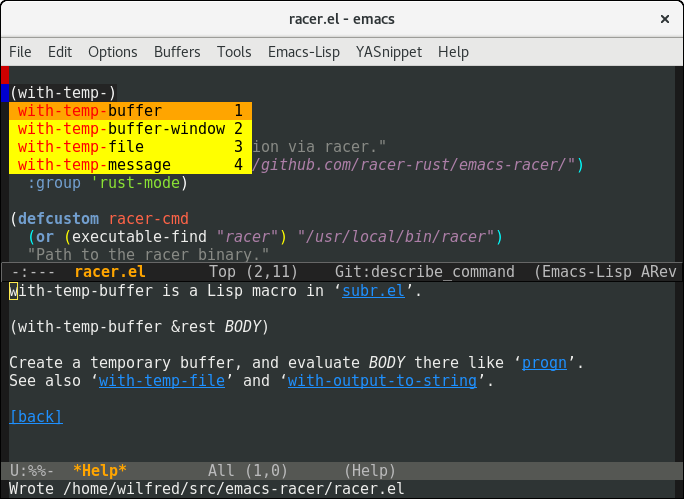
TIL that F1 will open a help buffer for the current completion candidate in company! Awesome! How did I miss this?

Moving from React to React+Redux rather feels like moving from imperative to functional. There's major learning curve, but it's rewarding.
Emacs command of the day: lispy-flow, part of lispy. It Does The Right Thing when moving forward through nested sexps.
RSS readers would massively benefit from a Netflix-style suggestion engine. I can find academic papers, but no products available!
Twitter cards are widely used metadata, but we don't have GUIs showing it nor indexing! https://medium.com/@anildash/the-lost-infrastructure-of-social-media-d2b95662ccd3#.i4d8x9y88 (plus other good insights)
The more I think about it, the more I like self-quoting symbols by default. Otherwise you get "value of foo is bar, but you must use 'bar".
I'm playing with Emacs trunk today. Works well! If anything, I think Emacs trunk is a little faster than 24.5.
Telnet Song by Guy L Steele Jr: https://wonderingminstrels.blogspot.com/2004/01/telnet-song-guy-l-steele-jr.html (a poem with escape codes!)
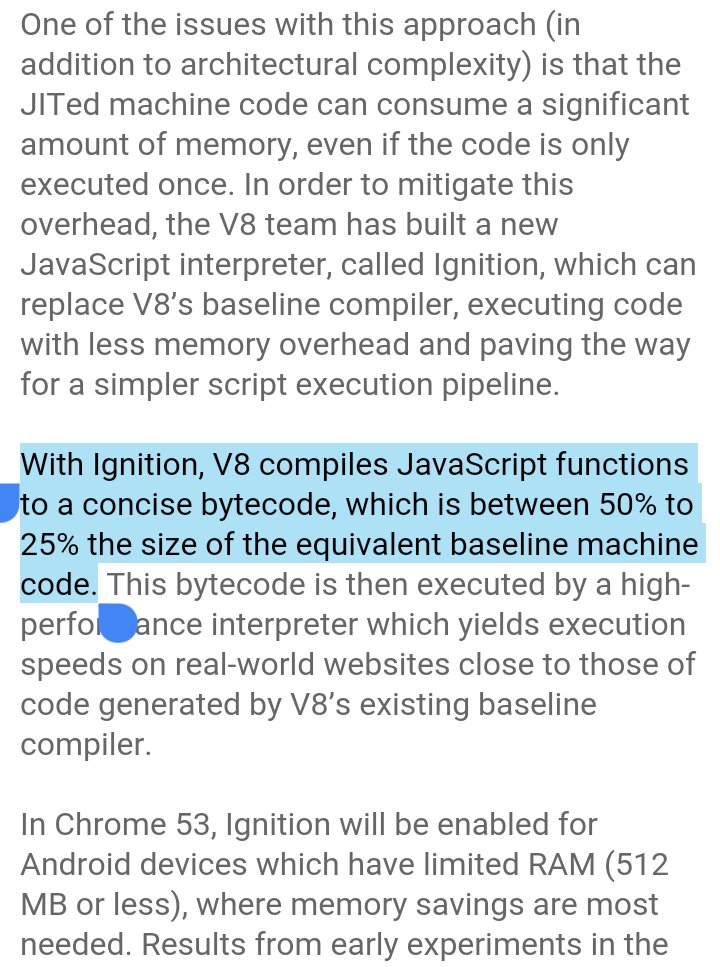
It's impressive (& was not obvious to me) how much memory a bytecode interpreter can save!
Open Source Web Apps Aren't Viable; Let's Fix That https://sandstorm.io/news/2014-07-21-open-source-web-apps-require-federated-hosting (the origins and motivations of Sandstorm)

GitLab is a really innovative FOSS alternative to GitHub. They've added slash commands, great for email workflows:
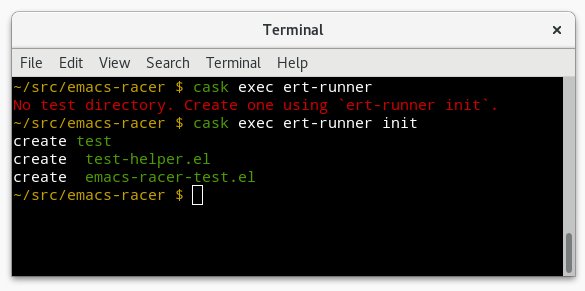
TIL that ert-runner can generate a test directory with skeleton files for you! #emacs
JSON editing would work *really* well with a structured editor like lispy. I'm surprised no such thing exists yet (or my google-fu is poor).
Showing 4,321-4,335 of 7,654 posts