Hash tables are much less useful in a language with great struct support. I use them a lot in Python, far less in Rust.
miniblog.
Related Posts
1
I'm surprised there aren't more interpreted languages with a first party type checker.
Python has several good type checkers, Ruby has Sorbet, and there are others.
Having zero compilation time *and* a full IDE seems like such a compelling design, at least on paper.
2
What's the best string representation of a function? Comparing with other PLs:
Python: <function __main__.add_one()>
JS: [Function: addOne]
Clojure: #function[user/add-one]
Scheme: #<procedure add-one (x)>
I'm currently thinking about <fun add_one() foo.gdn:123>
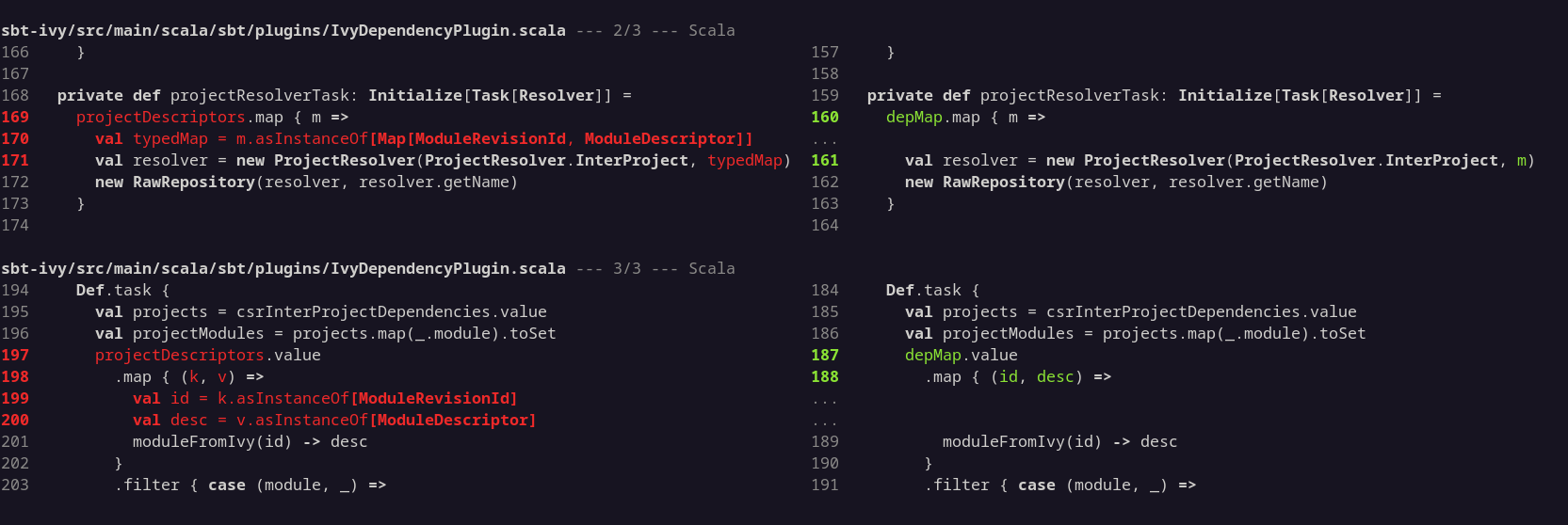
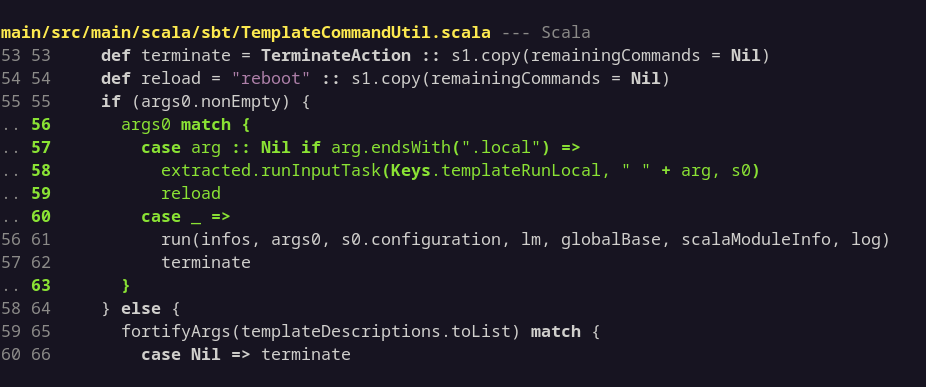
I've released difftastic 0.68! A smaller update, but still worth upgrading:
* Improved Bash, C, Go, Lua, Nix, Perl, Python, Rust, Scala, Swift and YAML parsing.
* Minor display and git compatibility fixes.