I suspect there's an analogy of blub programming languages for IDEs. Once you've seen more powerful solutions you miss them in less capable tools. If you haven't learnt them, you're indifferent.
This is probably why 'table stakes for a modern IDE' viewpoints vary so much.
miniblog.
Related Posts
1
I'm considering using WebP more: for example, my websites would load faster and browsers have supported it since 2020: https://caniuse.com/webp
That said, GitHub just added support in August 2025, so I suspect I'd still find use cases that don't work yet:

3
I find it fascinating how some businesses have scheduled downtime for their websites (e.g. my electricity provider last weekend), but others don't.
I suspect it's primarily culture. You generally need to turn off electricity to do work, so your other tooling may reflect that.
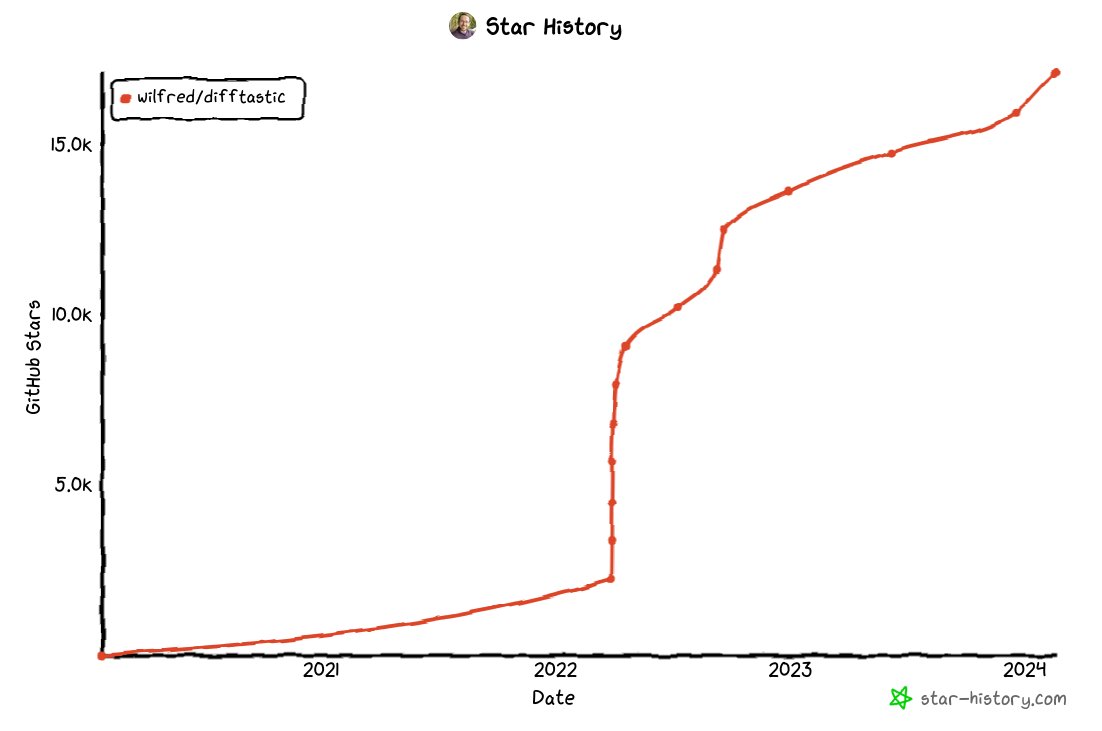
I don't have much data on difftastic usage, and I suspect most users get it from the packages provided by their distro.
There's been a clear uptick in stars since I built a homepage in the last month or two though!
(The first big bump is when it hit Hacker News.)