@cstanhope In theory it's not giving them much more data: I already have to give the company meter readings.
https://www.telegraph.co.uk/money/consumer-affairs/six-reasons-say-no-smart-meter/ and https://www.the-ambient.com/explainers/smart-meters-2020-uk-guide-explainer-2153/ persuaded me against getting a smart meter though. The former link suggests I won't save money or escape confusing bills, and the latter suggests the early standards haven't won.
It'll probably win eventually, for better or worse.
miniblog.


Related Posts
Woah, the median price of a .sexy domain is over $2,000! https://tld-list.com/tld/sexy
I like the emacs.sexy website, but that's a big chunk of money. The tld-list link above suggests that it's possible to buy these domains for more conventional prices.
I'm fascinated to learn that people are discovering weaknesses in state-of-the-art bots for playing Go, such that a novice player can reliably win: https://goattack.far.ai/human-evaluation
This suggests that self-play doesn't always generalise: it's not sufficient to beat earlier versions.
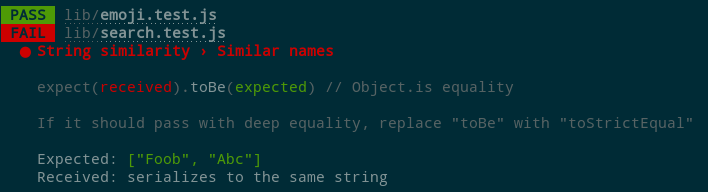
Jest has this wonderful feature where it suggests other equality checks you might want to consider if your test fails. It's super helpful and a really nice touch.