Pattern matching is so powerful that Elixir's docs introduce it before conditionals! https://elixir-lang.org/getting-started/pattern-matching.html
miniblog.
Related Posts
I've released difftastic 0.63! In this release:
* Better parsing of Elixir, LaTeX, Make, Nix, Rust and YAML
* Better detecting of text encoding, especially on Windows
* Prebuilt musl binaries, so you can run released binaries on older systems!
I've released difftastic 0.50!
In this release:
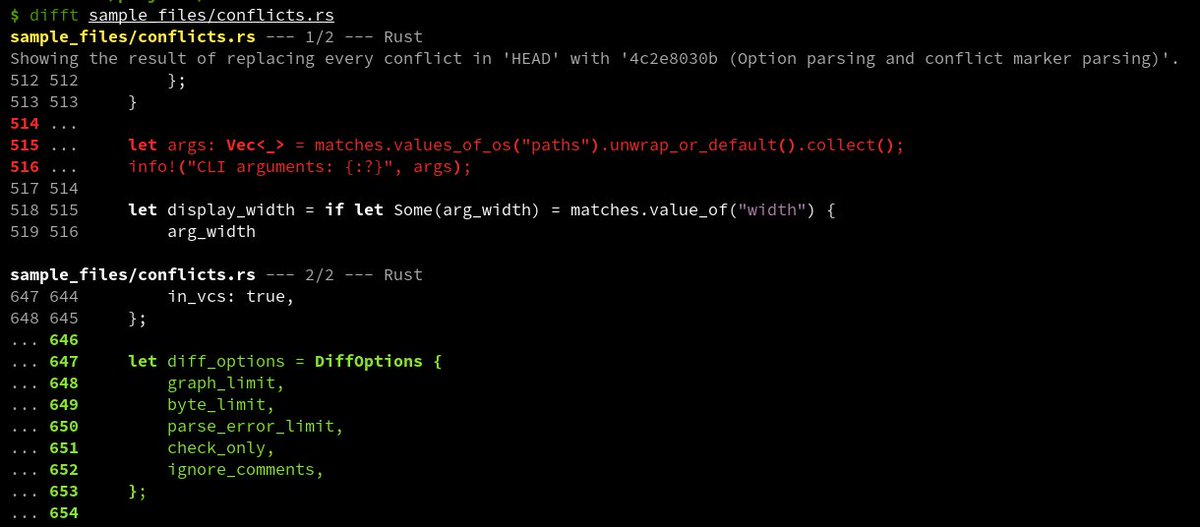
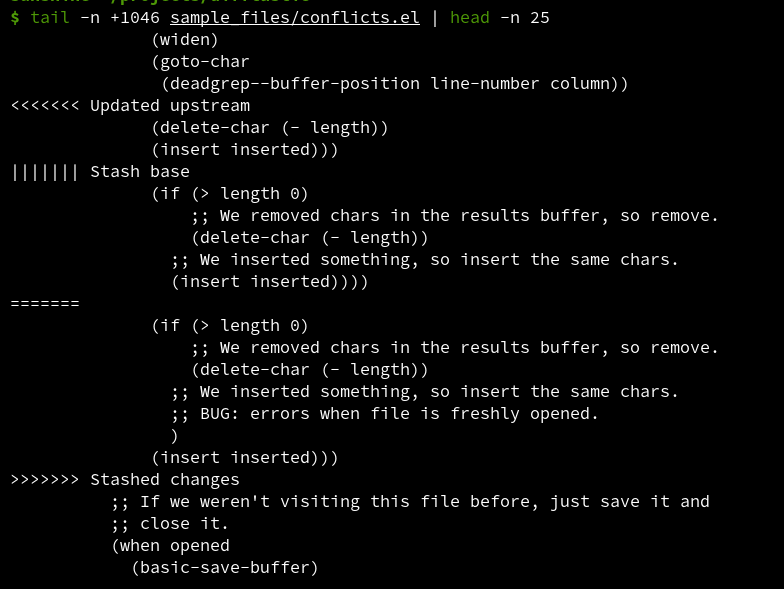
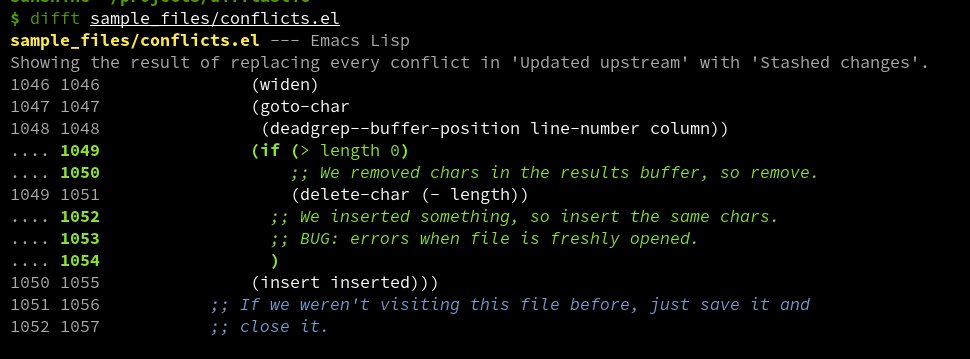
* Merge conflicts! Difftastic now understands <<<<<<< syntax and shows a syntactic diff of the underlying files.
* Updated parsers for Elixir, Erlang, Go, Kotlin and Racket
* Various styling quality-of-life improvements
Experience report on writing the same small web app in C#, Deno, Go, Elixir, Rust and Scala: