Compelling demonstration of parser combinators for date parsing: https://medium.com/mercury-bank/a-magic-date-input-using-parser-combinators-in-typescript-3c779741bf4c
You build up a series of functions for parsing elements, which composes much more nicely than regexps.
miniblog.
Related Posts
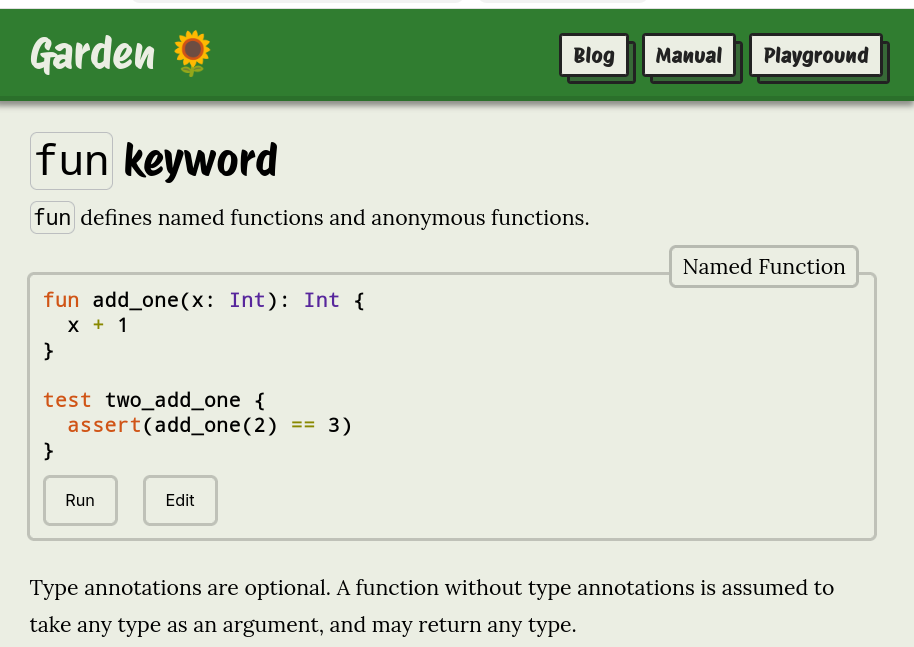
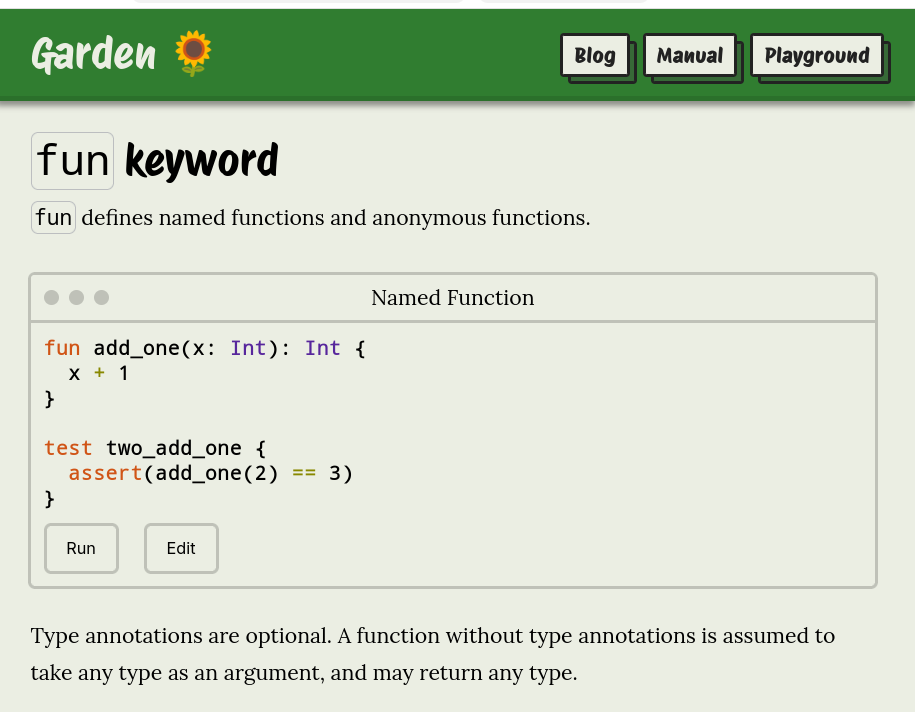
I'm experimenting with imitating window UI elements when showing code snippets on my website.
What do you think? Do the familiar dots of the title bar help, or is it just confusing decoration?
First image is the current style, the second image has the window UI.
7
The "line of death", where the browser UI splits between trusted UI elements and UI controlled by the website.
Also argues that HTTP warnings are better than HTTPS padlocks, because there's incentive to spoof padlocks lower on the page.
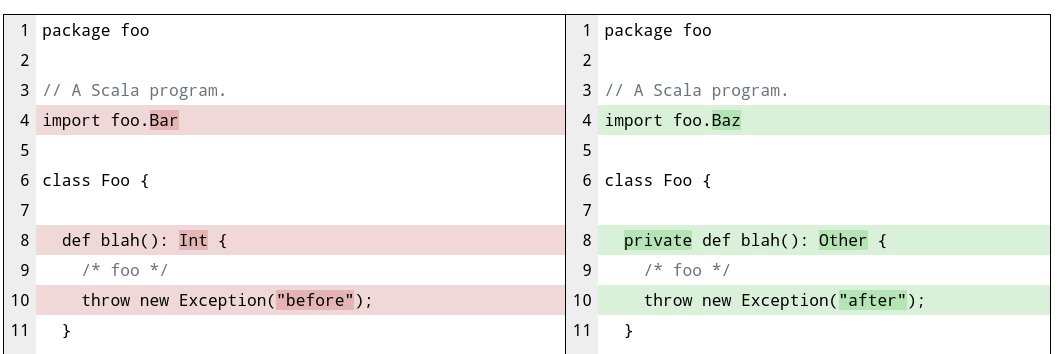
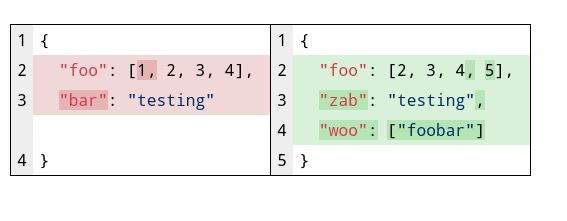
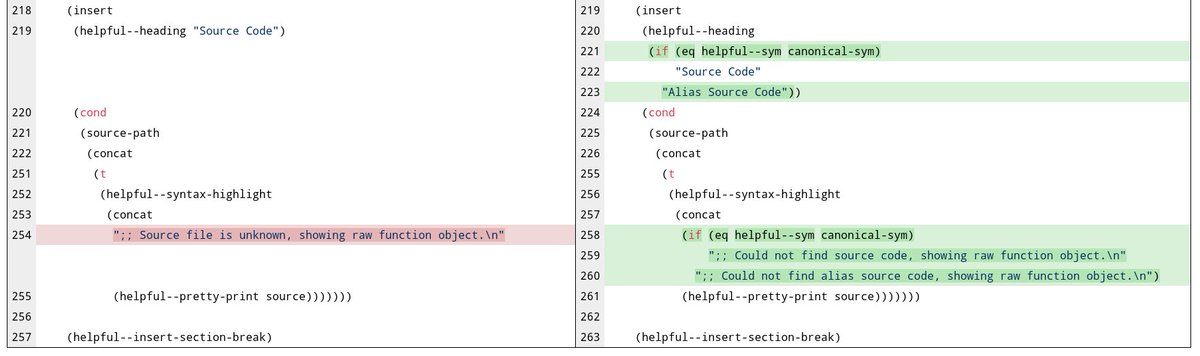
I'm prototyping HTML output from difftastic, and I'm really excited about the initial results.
I can provide full syntax highlighting with HTML (in both changed and unchanged regions), and I can have multiple levels of transparency to highlight the changed syntactic elements!