Learnt today that elisp's apply works with keyword arguments, so (apply 'some-func '(:foo 1 :bar 2)) works as expected. Handy.
miniblog.
Related Posts
82
The most common selling point I hear for Nix is having a list of all the packages you need.
On a traditional Linux distro, I just install things and forget about them. A curated, commented list would certainly be handy when I have a new system.
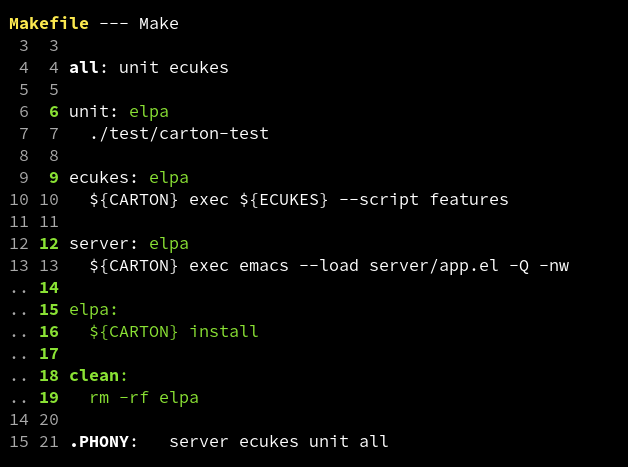
I've released difftastic 0.41 with a ton of quality of life improvements!
* Better highlighting of words in comments and fallback textual mode
* Better support of tabs (handy for Makefiles)
* Support for nested syntax in HTML files (courtesy of Sesse)


I'm writing some docs in markdown, and I'm really glad I can use arbitrary HTML when I need to. It's so handy when you hit the limits of markdown (e.g. tables, named anchors, custom styling).
It's dangerous when you have untrusted input, but I'm beginning to appreciate it.