Good error reporting in DSLs is hard: Ruby: https://zef.me/2308/when-rails-fails Scala: https://zef.me/blog/2371/when-scala-dsls-fail (2009—I imagine things are much improved)
miniblog.
Defining +=, *= and /= in Common Lisp, then generalising to arbitrary functions!
I'm impressed by how easy Atom makes it to start a new package: https://github.com/blog/2231-building-your-first-atom-plugin (leveraging the npm ecosystem is a boon too)
TinyCLOS is cool: it's an implementation of OO (ie MOP), but doesn't limit slots (aka object properties) to symbols! https://community.schemewiki.org/?Tiny-CLOS
Neat examples of GOOPS, the OO system in Guile (similar to CLOS): https://www.wedesoft.de/oop-with-goops.html (goes from rationale to demos and metaclasses!)

Emacs tip of the day: learn apropos. https://www.gnu.org/software/emacs/manual/html_node/emacs/Apropos.html It's a brilliant way of searching functions/variabales/docstrings etc.
Teaching subjects *other than programming* with Logo!

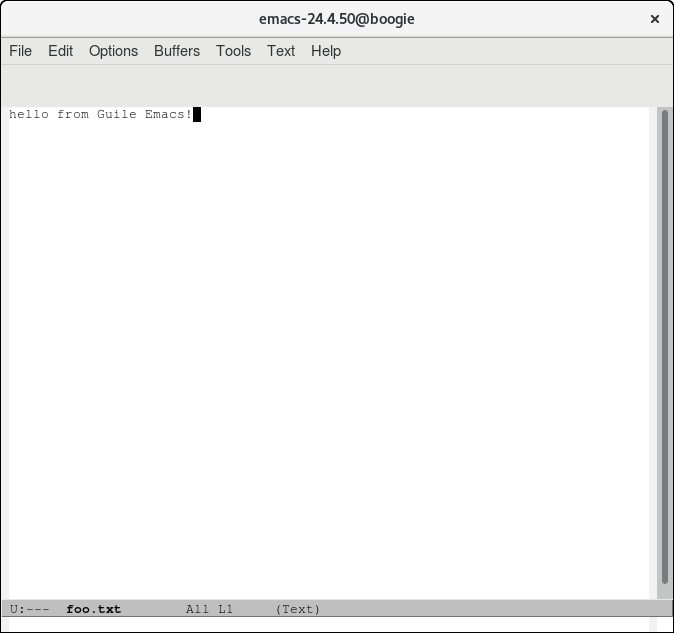
Guile Emacs is a real challenge to build. There's lots of helpful advice on the wiki, but compiles are slow and prove to segfaults.
No matter how good a programmable platform is, it needs a killer app. Smalltalk could do very well. (I'm still hopeful about Open Cobalt.)
What should we look for in programming languages used for teaching? https://m.cacm.acm.org/blogs/blog-cacm/203554-five-principles-for-programming-languages-for-learners/fulltext (and what are our goals? Excellent article.)
Ruby is exploring some neat optimisations, with graceful fallback in the event of functions changing:
"Scheme, they say, is an idea rather than a language." https://hardmath123.github.io/perchance-to-scheme.html (fun overview of scheme dialects)
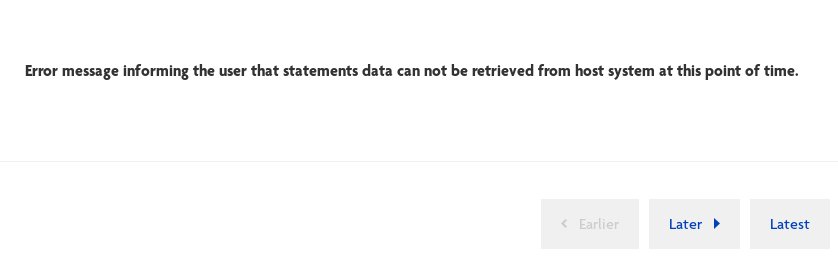
@AskHalifaxBank Your website has some rather strange error messages -- this sounds like a placeholder?
Showing 271-285 of 922 posts