Many tiling WMs have quite a learning curve, but they are increasingly necessary on modern, large monitors. Overlapping windows are awkward.
miniblog.
Deuce is an elegant editor design. No distinction between editing a function and editing call sites across files!
Terra https://terralang.org/ lets you define Lua scripts that generate code in a compilable Lua subset. Cf a preprocessor. Mind-bending.
On Sufficiently Smart Compilers: https://osa1.net/posts/2015-08-09-sufficiently-smart-compiler.html (staged execution, partial evaluation, and how modern CPUs resemble JITs)
What takes more keystrokes in a language? Public visibility (Rust), private visibility (Python, Clojure) or neither (Go). Defaults matter.
The level of optimisation going into Rust's regex implementation is extremely impressive:
Wow, pypy now has a reverse debugger! https://morepypy.blogspot.co.uk/2016/07/reverse-debugging-for-python.html (also a nice demo of how RPython facilitates experiments)
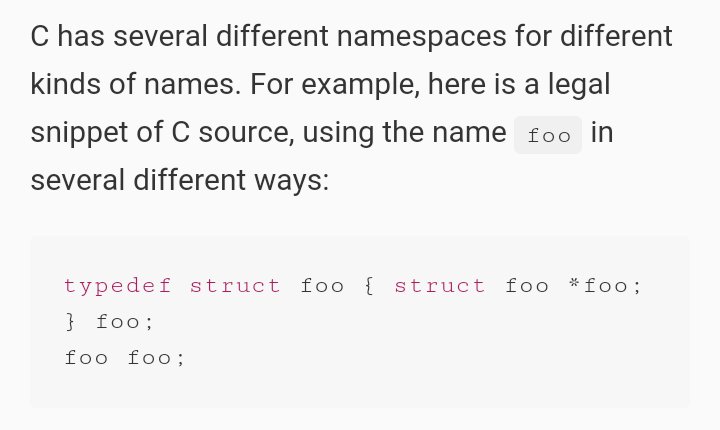
When class is a reserved word, it's common to see klass as a var name. Amusingly, rustc has krate variables too!
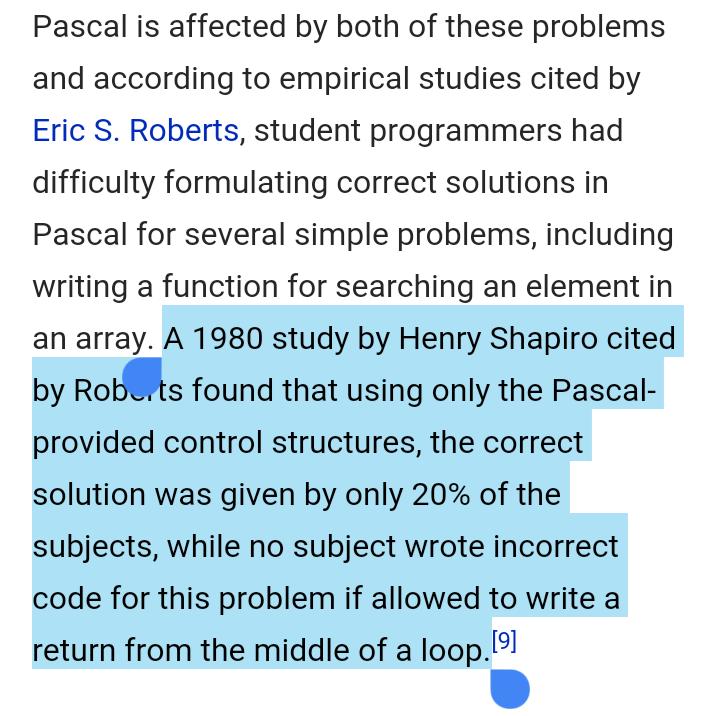
Early proponents of structured programming disliked break/continue, but they help usability:
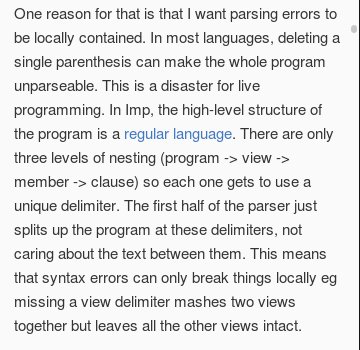
Imp, a proof-of-concept language built on Eve, has an interesting philosophy wrt syntax.
I've been approached twice about doing paid #emacs work. Perhaps there's a market for it?
@bzg2 Are you still doing Emacs consultancy? I can't see anything on https://emacs-doctor.com/ and I might know someone who is interested.
I don't really see the value of (ya)snippets in lisp. Macros should save you from writing boilerplate! (I like int -> (interactive) though.)
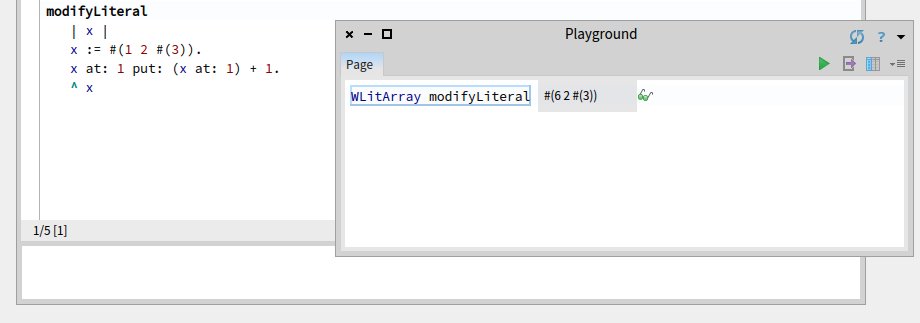
Smalltalk's syntax very much reminds me of lisps of that era. Literal values are static and mutations persist!
Showing 436-450 of 922 posts