New version of rustup out, dividing rust into profiles so e.g. CI doesn't need to download docs:
miniblog.
Google exploring multi device ambient computing, mission statements, and making the most of its strengths: https://stratechery.com/2019/google-and-ambient-computing/
Research on ransomware, its scale, who it affects, and how much money it makes: https://blog.acolyer.org/2019/10/16/ransomware/
Yahoo Groups is shutting down: https://help.yahoo.com/kb/groups/SLN31010.html
I used to participate in a few niche Esperanto groups there, a shame to see it go.

I've worked at companies where buying more computers was more affordable than developers, and I've also been at places where it's the opposite.
It's really weird having the different mindsets. Sometimes it even varies between teams and I rarely predict it in advance.
It's good to see websites acknowledging the grim irony that you need cookies to remember users' cookie preference.
I'm surprised that there isn't a microformat specification for this yet. If one browser enabled users to blanket hide all of these I think others would follow.
USB-C has won:

A security bug in sudo: https://sensorstechforum.com/cve-2019-14287-sudo-bug/
It requires a pretty liberal sudoers file, but it's remarkable that old tools still have security issues!
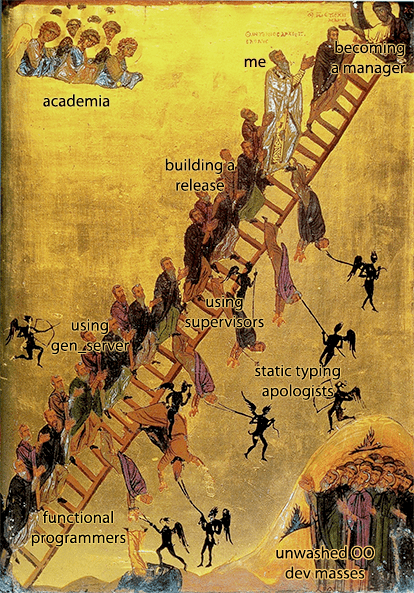
Reflections on ten years of Erlang, teaching novel ideas to newcomers, and whether 'killer apps' get more contributors or just more users:

34 environments, 24 compilers and 9 interpreters: the story of Eve, how it grew from Light Table, how they researched, built prototypes, and pitched the reinvention of programming to investors.
Part 1: https://youtu.be/WT2CMS0MxJ0
Part 2:
https://youtu.be/ThjFFDwOXok
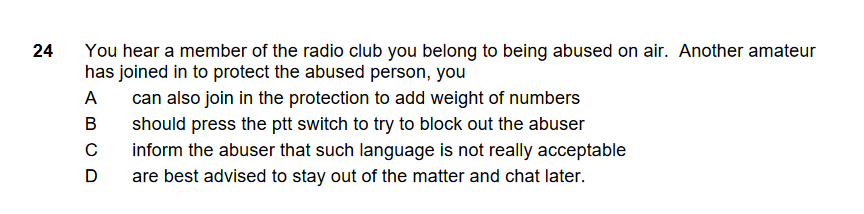
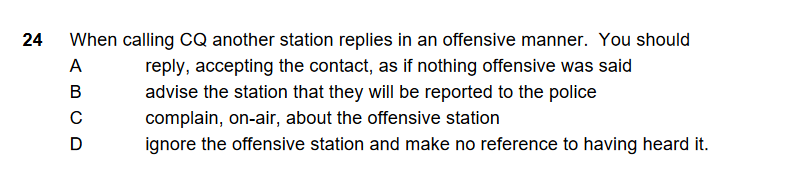
I'm taking an amateur radio exam today and reviewing mock papers.
I'm struck that they explicitly teach people to ignore trolling! This is the first time I've heard official advice on dealing with troll behaviour. (The expected answer is D in both cases here.)
Amusingly, parts of atom-beautify use Emacs to format code! https://github.com/Glavin001/atom-beautify/search?q=emacs&unscoped_q=emacs
Presumably there aren't many options for formatting of Verilog, VHDL or Fortran.
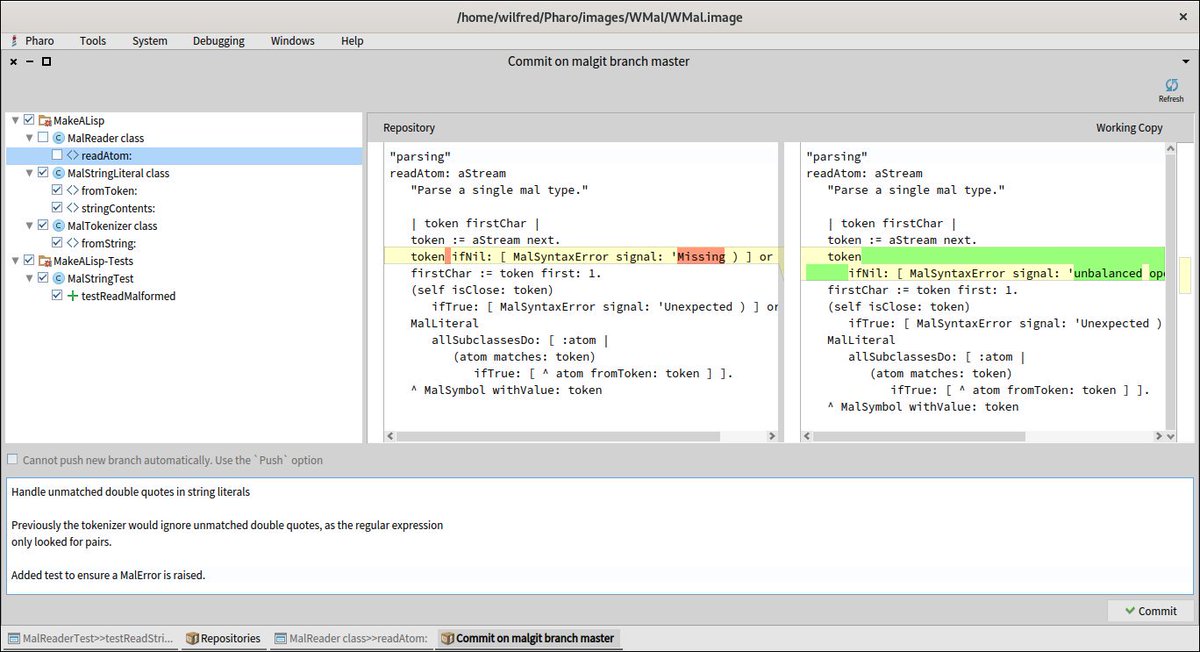
Pharo's git integration (using Iceberg) is shockingly good.
All your commits are well-structured changes, so you can toggle at class/method granularity what you want to commit. Thanks to Iceberg, these classes in your *live* image serialise to text files!
I try to name my git remotes as 'github' where applicable. It really helps readability of commands.
This is so common that I wish I could make this default (apparently the default remote name 'origin' isn't configurable in git).
Showing 136-150 of 736 posts