I wrote a non-trivial graph algorithm and it worked first time!
I was suspicious until I tried it on a three node graph and was kinda comforted to learn it still had bugs.
miniblog.
I'm not convinced that offering the staging area is a good default for git.
It's an abstraction that newcomers have to learn before their first commit. Subversion style "commit every tracked file" isn't as pretty (`git add` is general) but it's the common case.
I'm reading papers about tree diff techniques, to try to improve my structural diff tool.
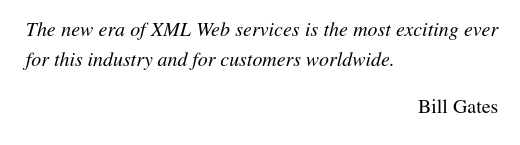
Most papers focus on diffing XML. Their techniques are clever and relevant, but crikey some of the intro quotes really haven't aged well.
On building intuitions on monads and functors: https://www.jerf.org/iri/post/2958
(Also, TIL that the function type is a functor in Haskell!)
Readable tree diffing is a really interesting problem. When do you highlight lists? Do you highlight all the lists enclosing a modified subtree? What about comments?
I'm relatively happy with this case, but I think the outermost lists shouldn't be highlighted at all.
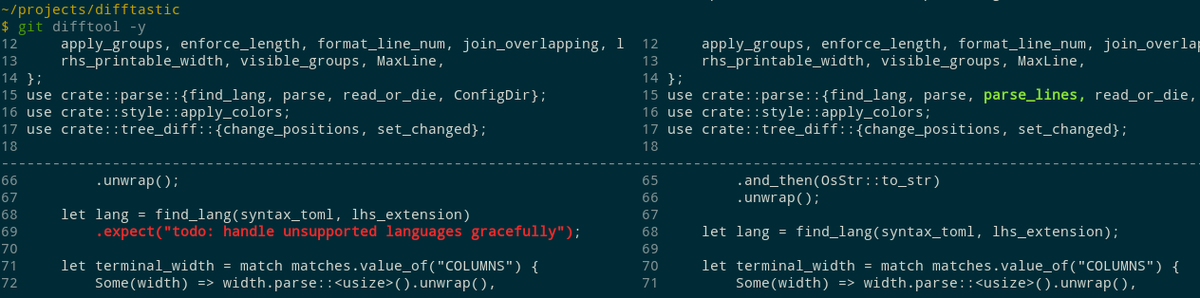
My new diff tool is now sufficiently feature complete that it can diff its own source code!
I've found a bunch of new bugs, but that's dogfooding :)
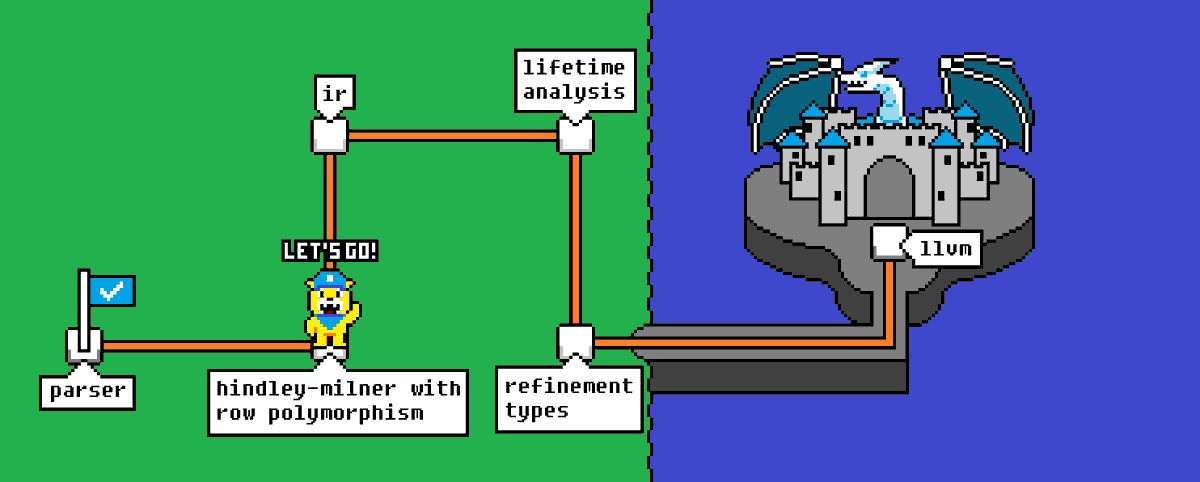
Butter, an experimental programming language exploring ideas for low level efficiency, has one of the best looking roadmaps I've seen in a long time!

Smart appliances with internet connections often have all sorts of security issues, privacy issues, etc.
They'd be a huge help when daylight savings time occurs though. That almost makes up for it.
Still tinkering with tree diff heuristics. Sometimes it works really well, but other times it's too keen to match up lists.
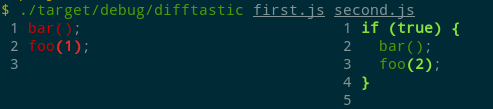

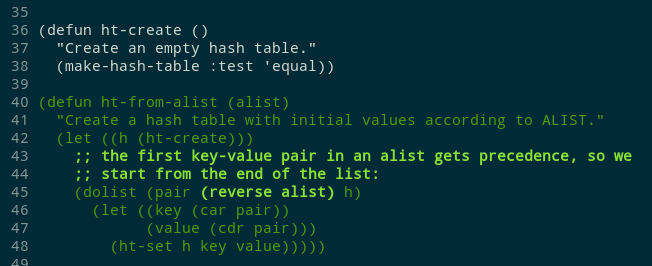
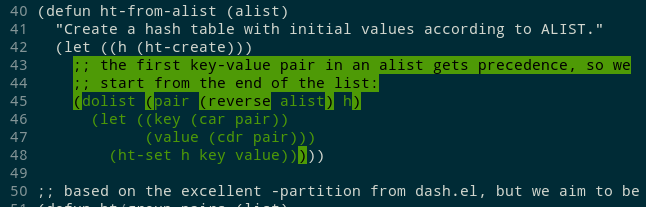
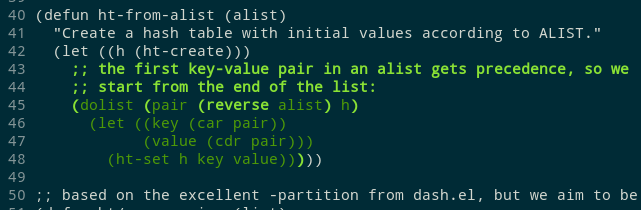
I'm still trying to find a colour scheme I like for my diff tool. I need two different styles: added code should be more prominent than moved code.
ANSI colours are extremely limited, so I tried using green / green background. Using bold and bright green seems to work better.
Printers increasingly speak a standardised protocol, making it feasible to support printers without any drivers at all!
On the different funding and maintainership models in FOSS:
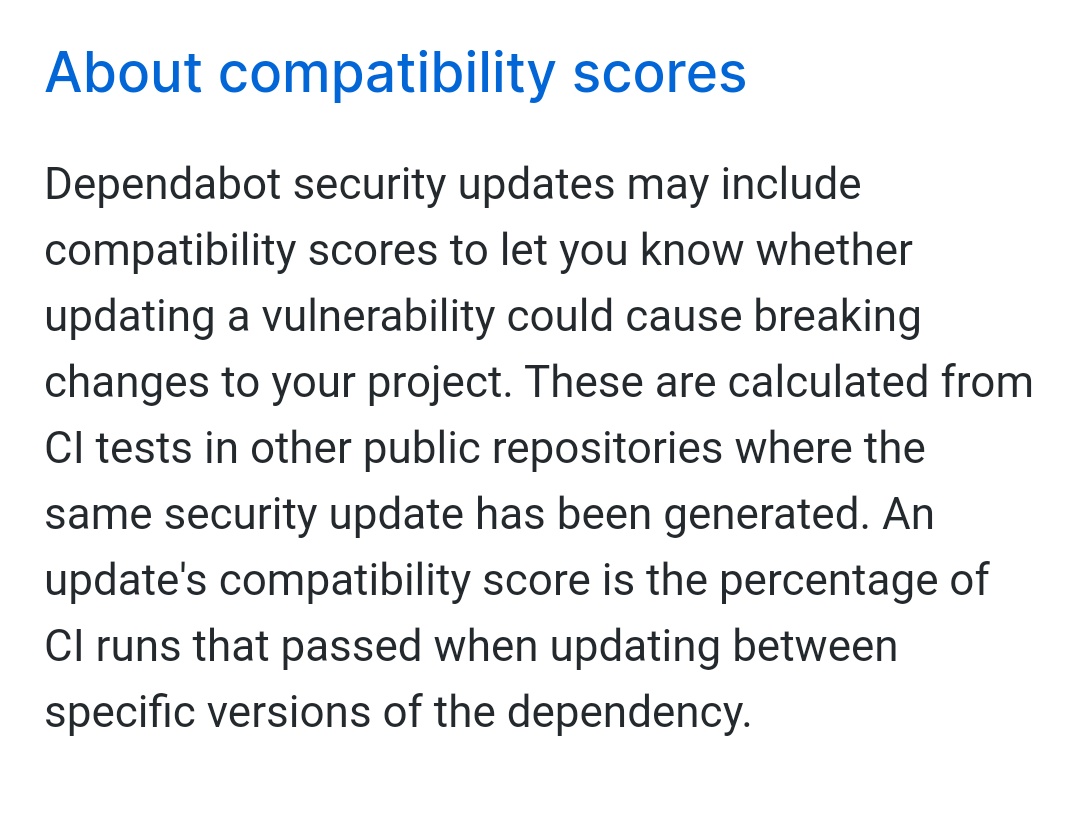
Dependabot takes a probabilistic approach to compatibility: how many other projects failed CI when upgrading?
It's neat, but I wonder what the base rate for spurious CI failures is.

glibc and gnulib are looking at removing the requirement for FSF copyright assignment, following gcc:

Showing 181-195 of 345 posts