@bugaevc@mastodon.technology Beautiful! I've wanted a card based terminal for a long time: it feels like a great design for commands that sometimes write a ton of output.
miniblog.
@kensanata@octodon.social A great point, but many smartphone apps would work fine as websites.
1
I really like Stylus, the Firefox plugin for writing custom CSS for websites.
My rules aren't clever though.
The vast majority are just adding display: none; for distracting UI elements. The remainder are for excessively responsive sites that become unreadable on wide monitors.
1
I'm beginning to wonder whether computer form factors are a product of the environment.
Suppose I went back in time 20 or 30 years, and told manufacturers that powerful handheld devices with touchscreens would be popular. Would they be able to do anything with that information?
Moving Android towards unpatched, mainline Linux kernels:
2
Shower thought: plurals are basically Hungarian notation, but with a suffix rather than a prefix.
3
My email load is sufficiently low that I'm willing to budget one response per person to emails from strangers. I don't understand how people with high profiles (e.g. running major OSS projects) manage.
3
On representing game worlds in Rust using Entity-Component-System, modelling state, and avoiding self-borrowing:
We still think of apps and websites separately. I've only ever added one website to my home screen.
I'm not if this is due to limited support, or just users not thinking about websites as 'installable'.
7
Another kernel written in Rust!
https://github.com/hermitcore/libhermit-rs
Rust tooling/docs must be making operating system development more accessible, as there is an impressive number of these projects.
1
Measuring the effectiveness of debug info in gcc and clang by comparing how often a variable is known to be defined vs how often you can access it:
Sometimes metaprogramming (macros etc) is a useful technique for refactoring, simply because you can try and then discard different designs: https://blog.metaobject.com/2018/11/refactoring-towards-language.html
(I've certainly written then thrown away macros when writing Lisp!)
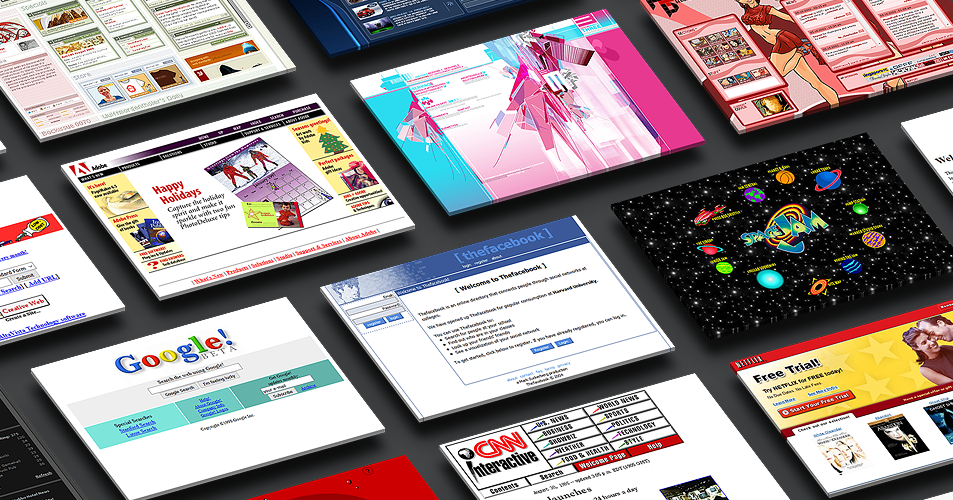
The Web Design Museum is a fascinating set of screenshots of early websites:
Showing 2,551-2,565 of 7,653 posts