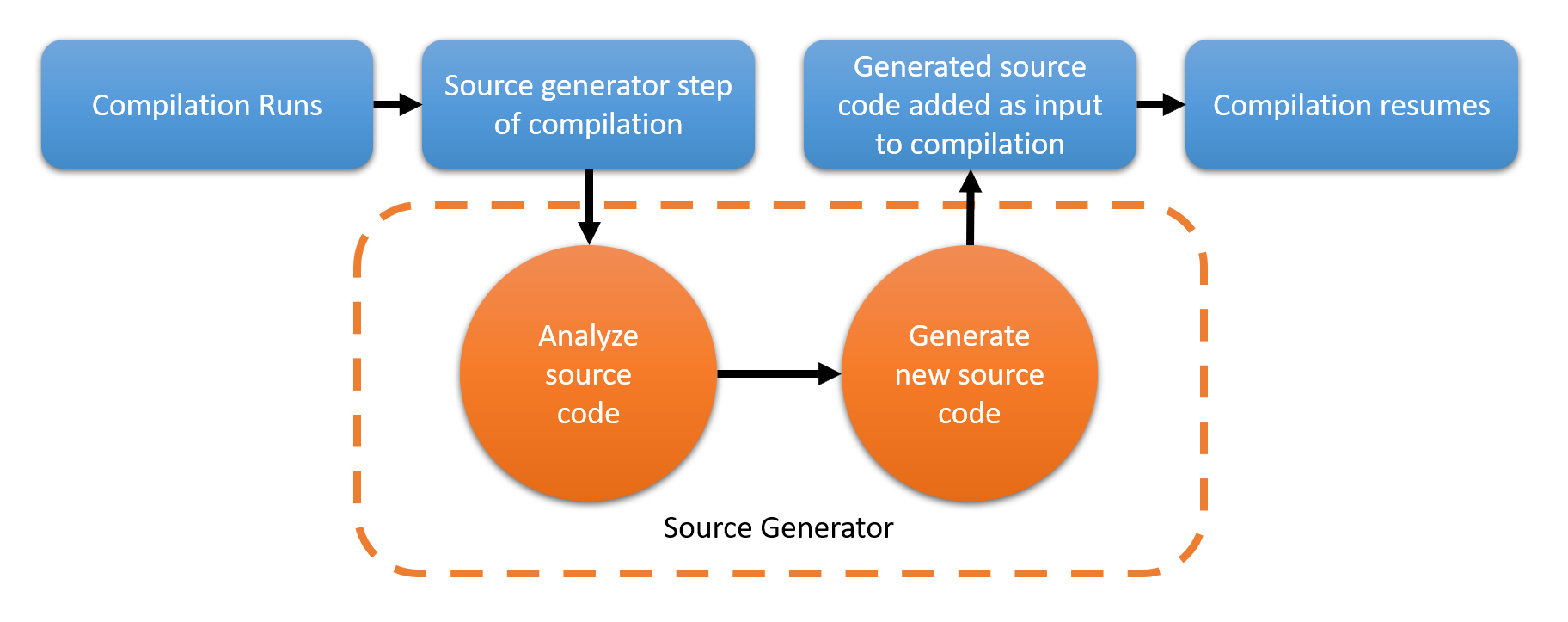
C# has an interesting concept of second-class macros called Source Generators: https://devblogs.microsoft.com/dotnet/introducing-c-source-generators/
You can generate additional code at build time, but you can't transform existing expressions (unlike normal macros), so it's more amenable to tooling.
miniblog.
Related Posts
3
I've been experimenting with LLM autoresearch. I prompted Sol to make difftastic faster without changing output on the test suite, and log everything it tried:
https://github.com/Wilfred/difftastic/blob/c6e9c6fed4c71276a8b0e377c92695c3d929dc7f/PERF_RESEARCH_LOG.md
It found some interesting performance tweaks, although it's too tolerant of complexity.
3
Compiler error messages is such a deep topic. Even in rustc, a mature compiler that invests effort in diagnostic quality, I find interesting issues every few months.
(The majority have been fixed pretty quickly, so it's really rewarding to file issues.)
nREPL is a really interesting protocol for developer tools. It's extensible, but one of the basic operations is eval().
If your nREPL server doesn't support a given operation, you can just send an eval request to achieve the same result!