Contrasting a Rust specification (being worked on) with a Rust ISO standard (which may not work as well as the existing RFC process), and backward compatibility promises: https://blog.m-ou.se/rust-standard/
(The entire Rust ecosystem is run against new rustc versions surprisingly often too)
miniblog.
Related Posts
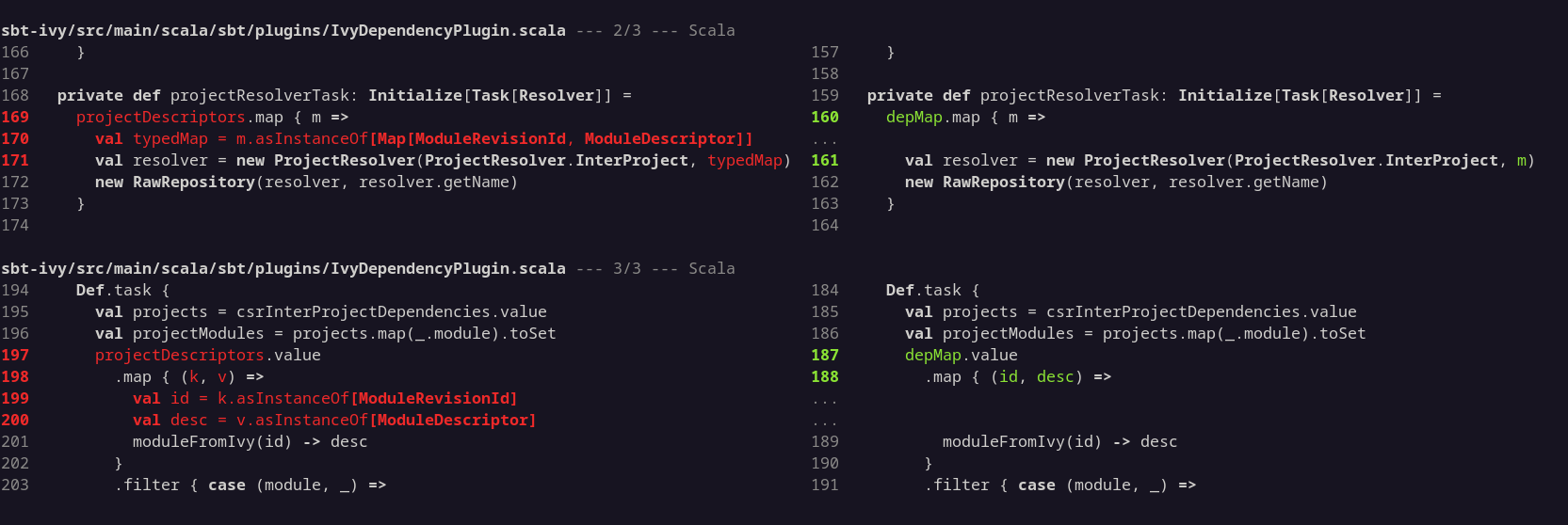
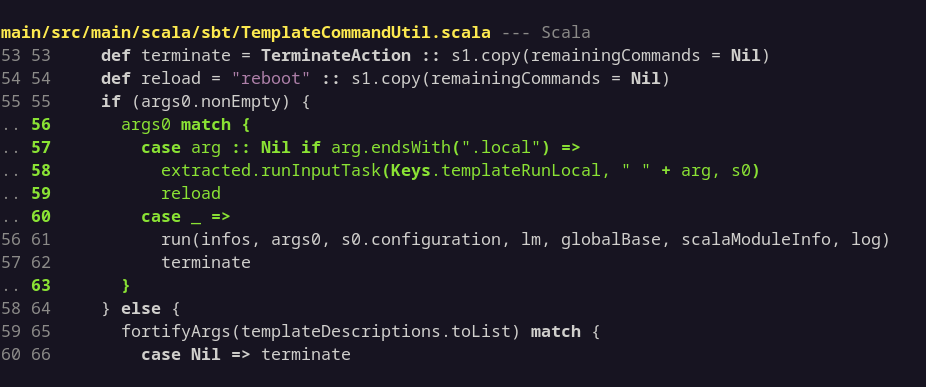
I've released difftastic 0.68! A smaller update, but still worth upgrading:
* Improved Bash, C, Go, Lua, Nix, Perl, Python, Rust, Scala, Swift and YAML parsing.
* Minor display and git compatibility fixes.
I admire hobbyists who build their own kernels, but the size of modern systems is intimidating. Even something like a Bluetooth stack is bigger than historic kernels, and tends to require multiple people.
I think it's just the cost of compatibility? Tech collaboration is hard.
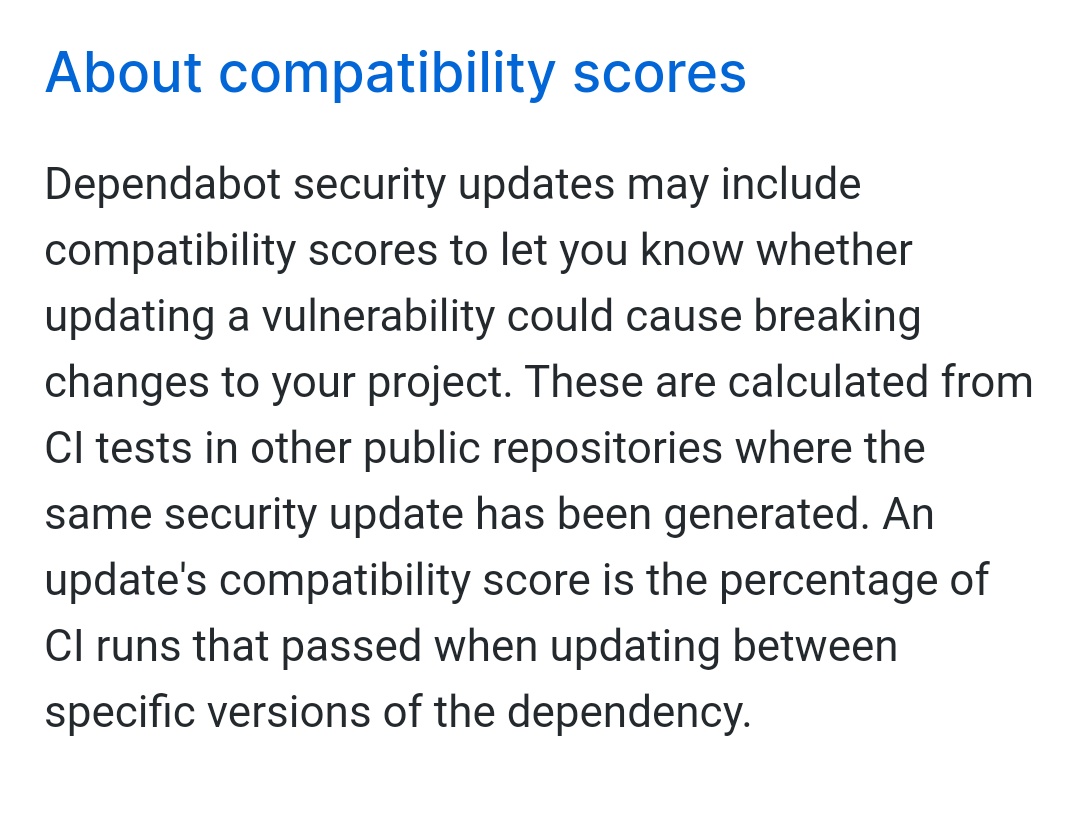
Dependabot takes a probabilistic approach to compatibility: how many other projects failed CI when upgrading?
It's neat, but I wonder what the base rate for spurious CI failures is.