The dominance of statistical models in AI, our bias towards embedding human knowledge, and the effectiveness of large, generic compute:
https://www.incompleteideas.net/IncIdeas/BitterLesson.html
miniblog.
Related Posts
Some cunning NLP research which has found that really simple statistical models (e.g. does the sentence contain "not"?) is sufficient to answer a good number of text comprehension datasets: https://thegradient.pub/nlps-clever-hans-moment-has-arrived/
Code completion for Pharo is in GSoC again, looking at type inference and statistical ordering based on recent classes! https://medium.com/@myroslavarm/improving-code-completion-gsoc-2019-introduction-de36e106a12f
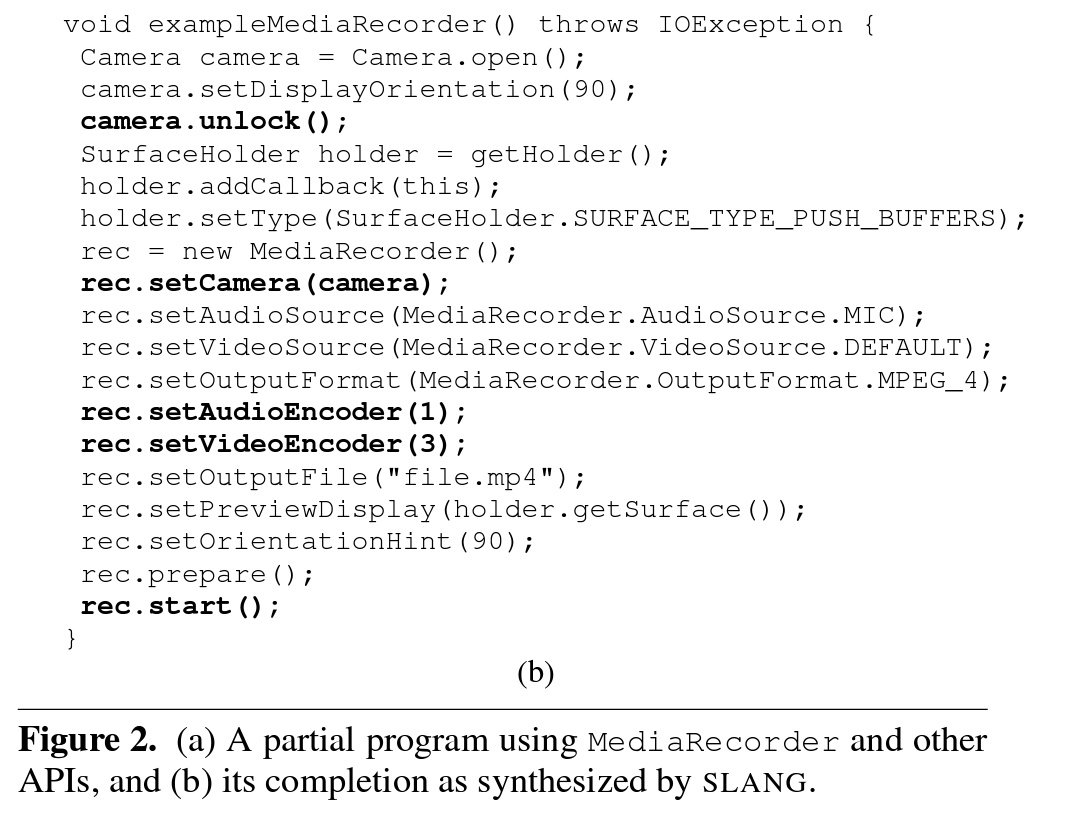
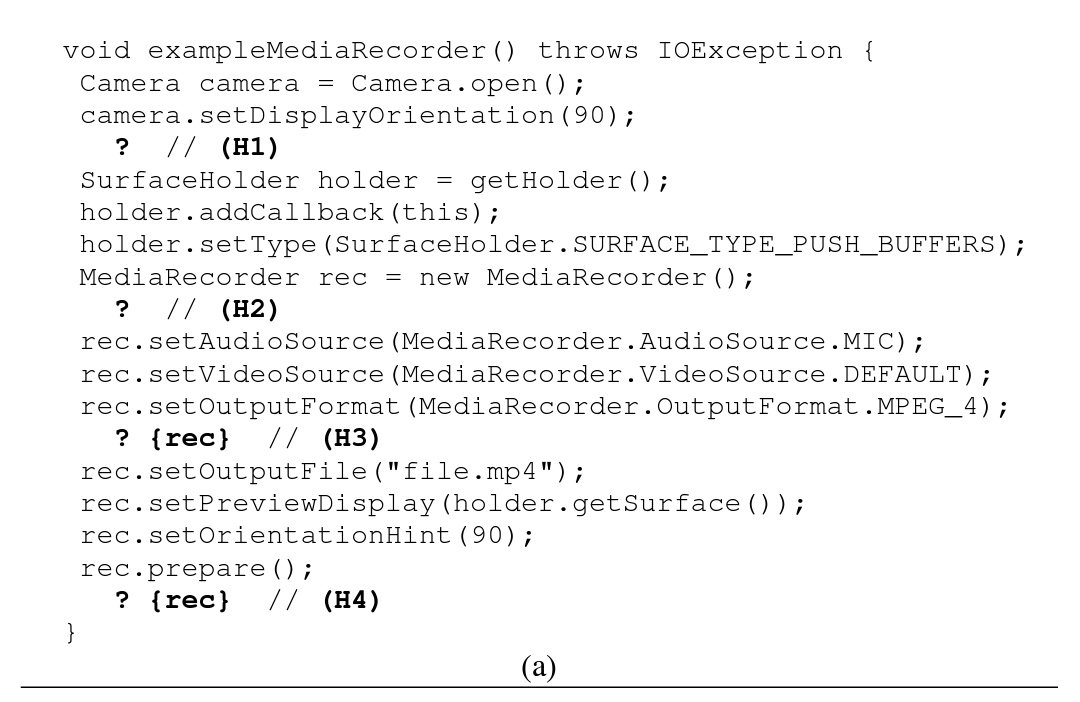
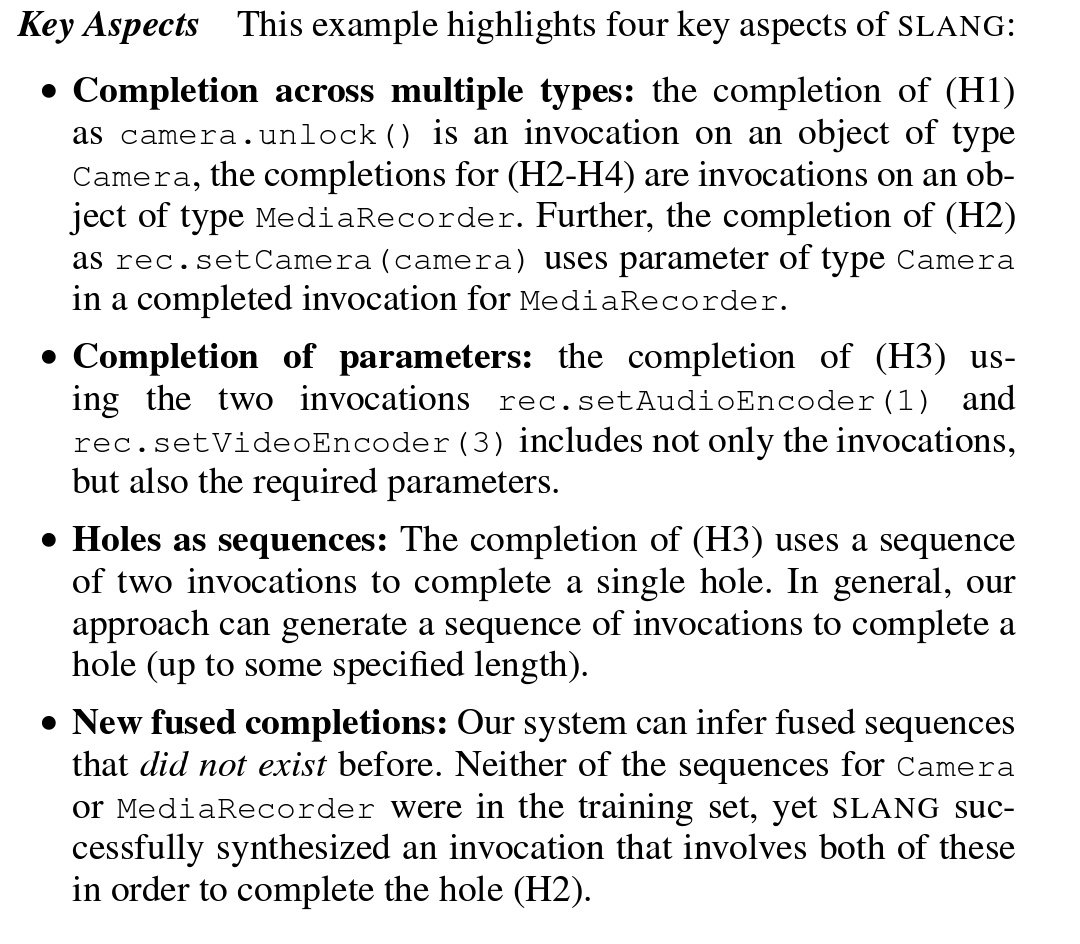
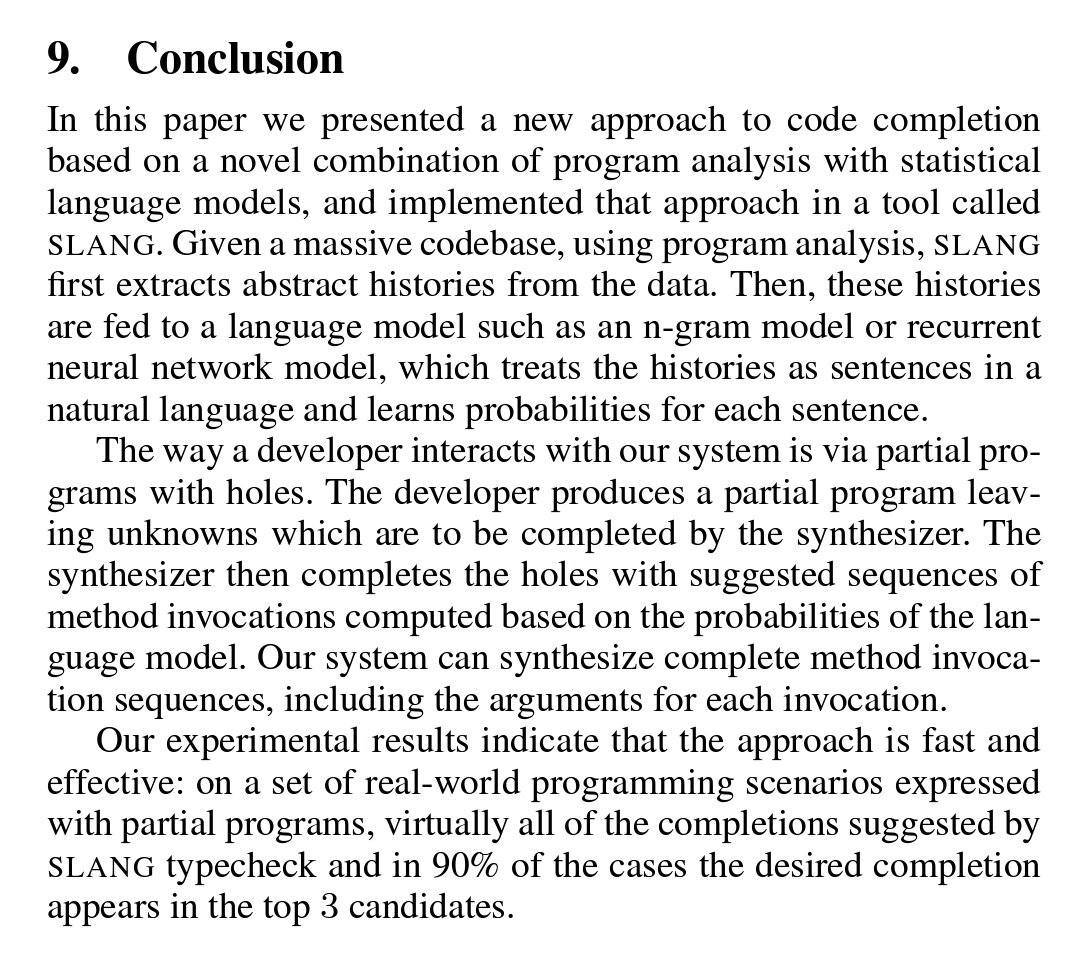
Code Completion with Statistical Language Models: https://www.cs.technion.ac.il/~yahave/papers/pldi14-statistical.pdf
This amazing paper trains a language model on a Java corpus, then builds a code completion tool that can write whole snippets of code!