Superb article on the history of parsers, what approaches are used in industry (mostly hand-written recursive descent!) and the expressiveness of parser combinators and PEG.
miniblog.
It's too easy to get excited about time tracking, tags, and literate programming when starting out with org-mode. It has a huge featureset.
I'd encourage new users just to treat it as a better markdown-mode, and learn about folding and links, before diving in to the rest.
I'm very much enjoying this introduction to Slime on YouTube: https://www.youtube.com/watch?v=_B_4vhsmRRI
It demonstrates many different features with clear explanations and a good working example.
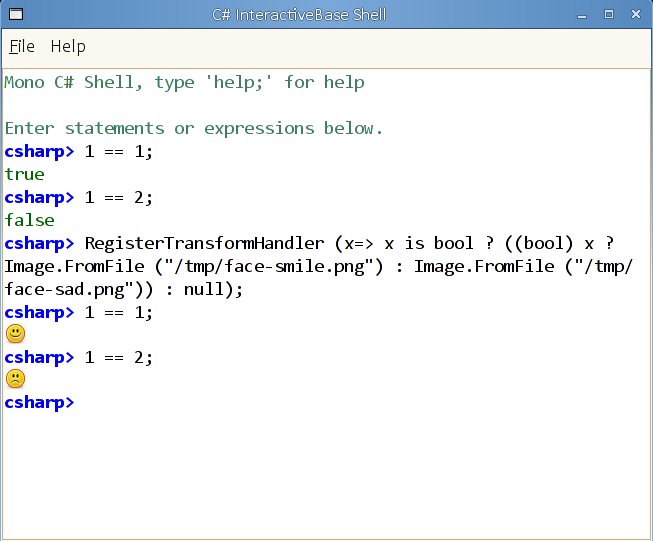
The Mono C# REPL has this fun feature where you can override how any type is displayed:
Enlightening article trying to verify leftpad (+2 other small functions) in a range of theorem provers: https://www.hillelwayne.com/post/theorem-prover-showdown/
Glitch, the remarkable online website that lets you create, fork and run JS websites, is now open source!
Arxiv is huge and I find it hard to find things relevant to my interests. Playing with https://scirate.com/ seems like a good solution: you can follow sections that interest you, and 'scite' (basically 'like') papers.

Here's a wonderful example of live programming in an introspectable system like Emacs.
Emacs lets you customise ('advise') any function. Today I advised code evaluation! With a record of code snippets recently executed, I can make my code completion smarter.
Finding a security bug in CouchDB due to different JSON libraries interpreting repeated keys differently!
Programming in the debugger: https://willcrichton.net/notes/programming-in-the-debugger/
Discusses how notebooks enable incremental program writing, and contrasts with REPLs.
Makes some interesting points regarding persistence, although resumable exceptions have similar upsides too.
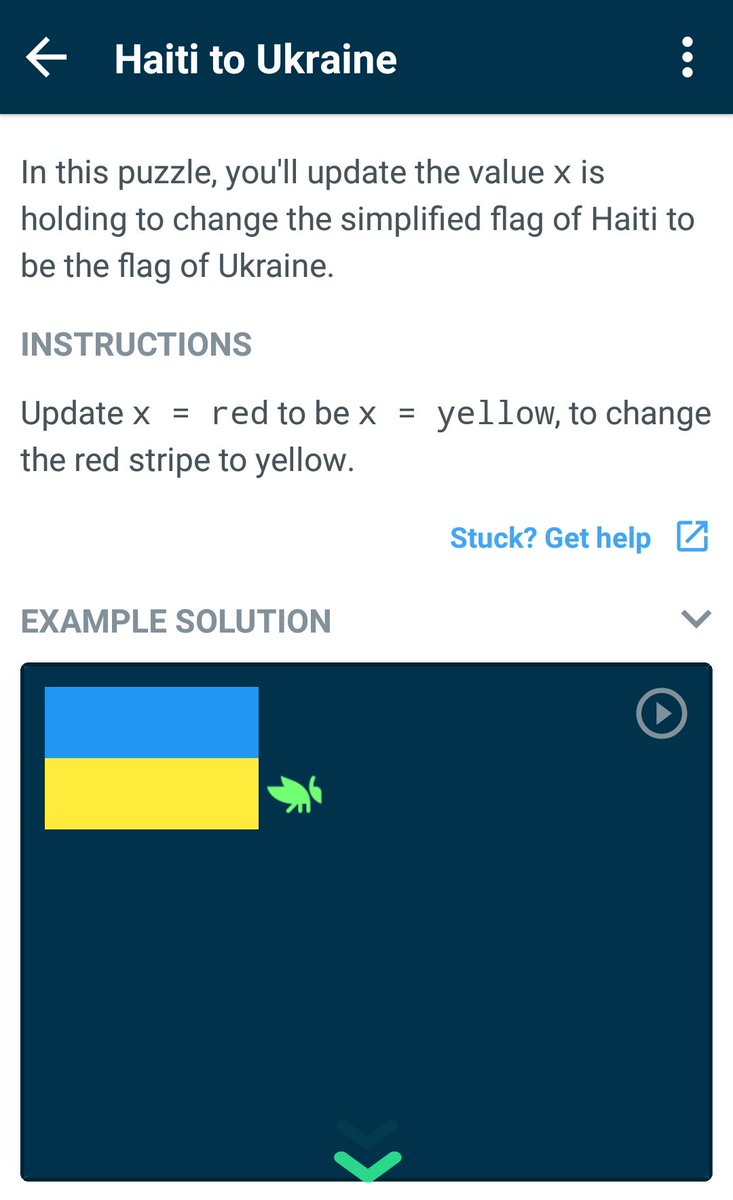
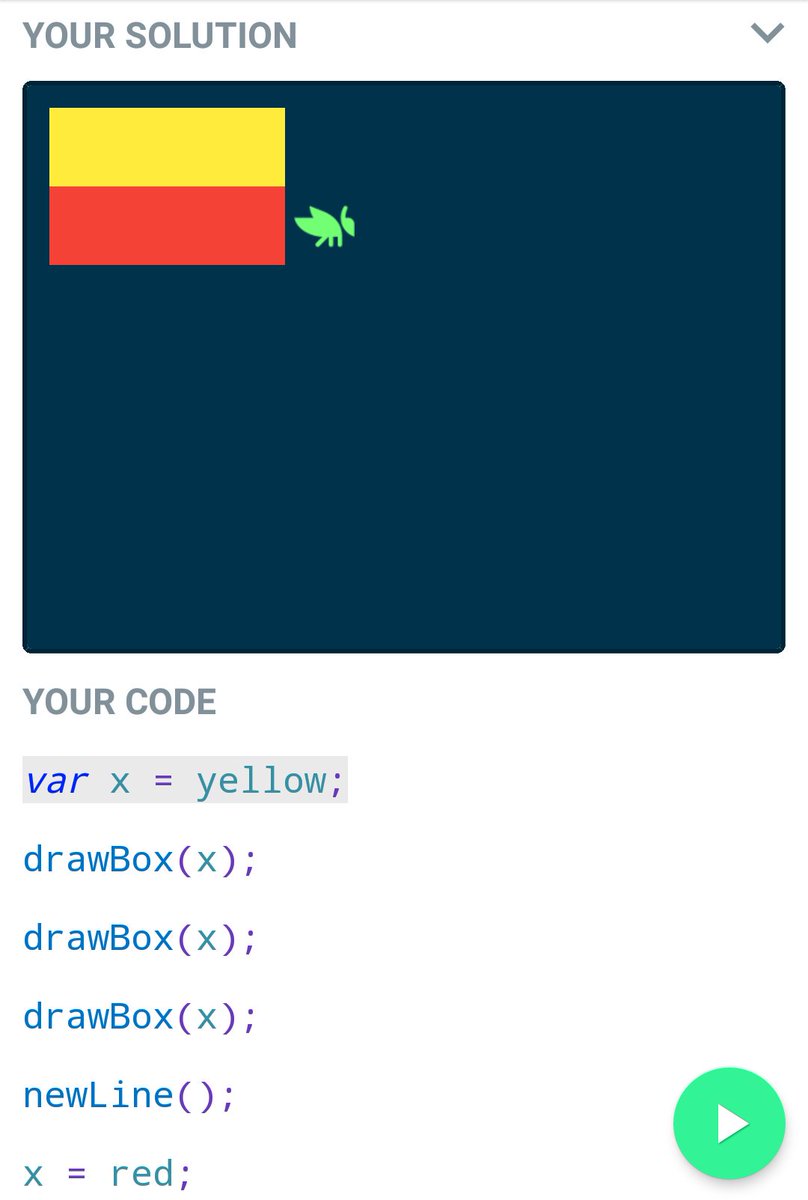
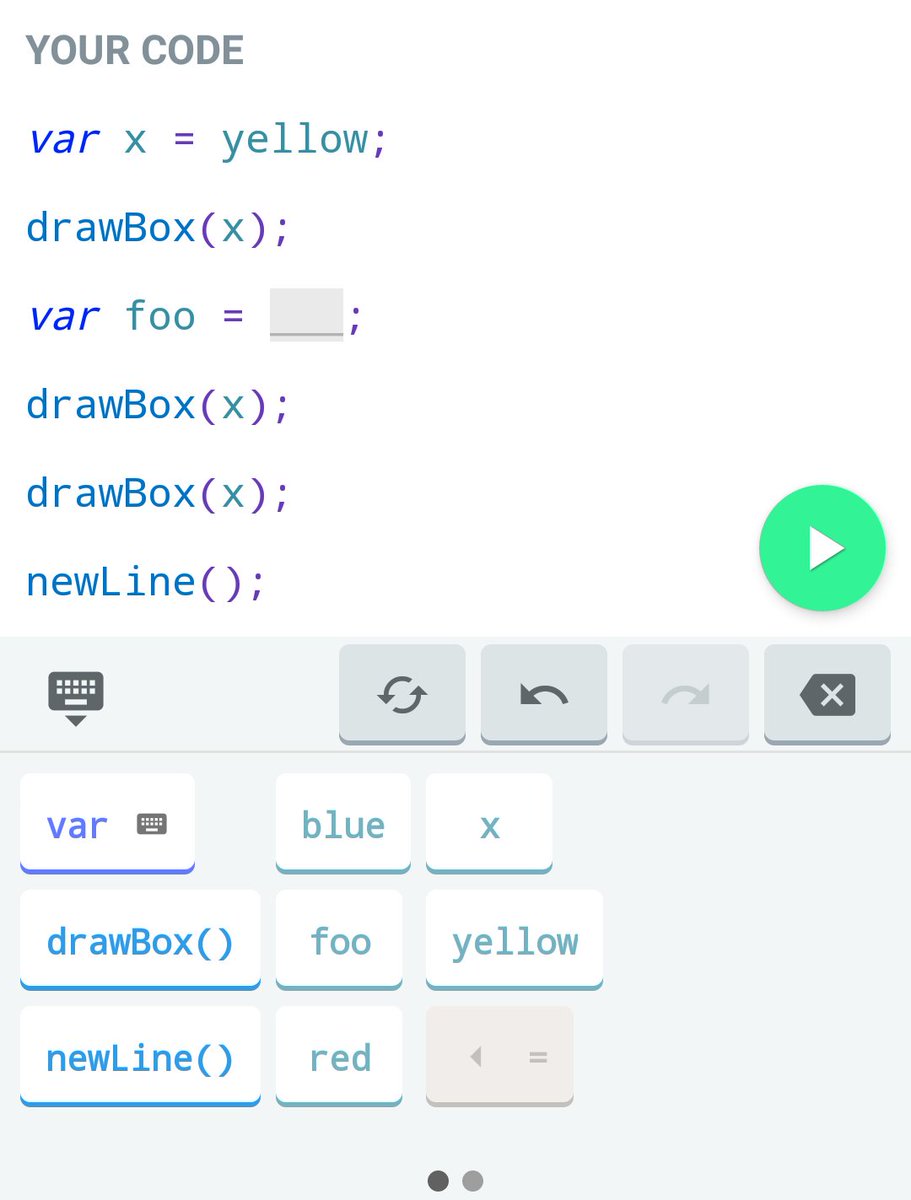
Grasshopper is a super cool app for teaching programming to novices.
It combines elements of Logo (visual feedback) with a great little editor that works well on touch screens.
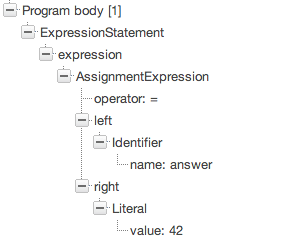
Understanding surprising JS syntax by visualising the parse tree:
One weakness of online discussion is protracted debates or arguments. What if commenting systems only allowed one comment per user?
(Assuming a robust mechanism to prevent duplicate accounts.)
'Golden tests' are tests that deliberately save expected output to a file, to make them easy to examine or regenerate.
https://ro-che.info/articles/2017-12-04-golden-tests
I'm familiar with the concept, but it's nice to see a handy label for it.
If you're interested in alternative approaches to computing, I strongly recommend exploring the ideas in the Tunes project.
There's a good overview here:

Showing 481-495 of 657 posts