A strong open source culture makes a big difference in how much fun a PL is IME. Exotic PLs (eg kdb) are interesting regardless of culture.
miniblog.
Related Posts
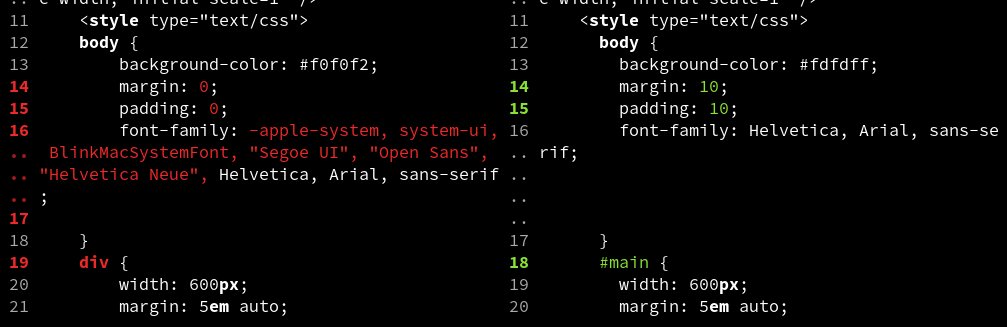
The next version of difftastic will support parsing CSS and JS syntax inside HTML! This makes a huge difference to HTML files.
This support for tree-sitter sub-parsers was contributed by Sesse :)

A patch to Chromium reduced global root DNS requests by 40%!
https://www.theregister.com/2021/02/04/chromium_dns_traffic_drop/
It's also impressive how quickly users updated such that the global services saw a difference.

Valve exploring a custom shader compiler on Linux that leads to significantly higher frame rates than native code on Windows: https://www.forbes.com/sites/jasonevangelho/2019/07/11/valves-latest-linux-gaming-work-is-boosting-amd-vulkan-performance-by-up-to-44-percent/
(Shader compilers run during the game, so compilation time can make a big difference.)