Medic is a really interesting tool in Racket for adding debug statement to a program without modifying it! This saves you littering your code with print statements.
https://docs.racket-lang.org/medic/Demo_1__border-expr_and_at-expr.html
I suspect a s-expression syntax really helps for an approach like this.
Polywell: applying the Emacs design philosophy to a Lua text editor using the LÖVE game engine:
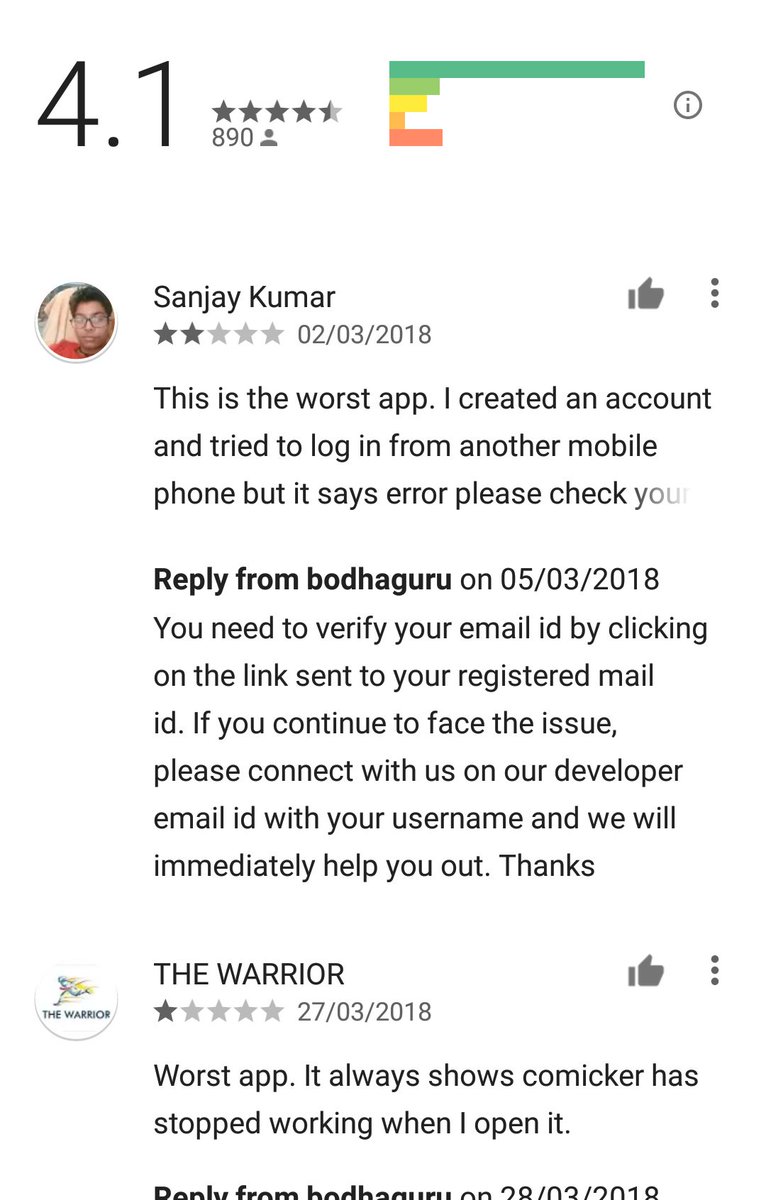
Ordering reviews is a really interesting problem. Here's an example from the Play Store where the average score and the prominent reviews massively differ.
Since we tend to give stories more credence than numbers, it's easy to form a poor opinion of the app here.
Superb article on the history of parsers, what approaches are used in industry (mostly hand-written recursive descent!) and the expressiveness of parser combinators and PEG.
It's too easy to get excited about time tracking, tags, and literate programming when starting out with org-mode. It has a huge featureset.
I'd encourage new users just to treat it as a better markdown-mode, and learn about folding and links, before diving in to the rest.
I'm very much enjoying this introduction to Slime on YouTube:
https://www.youtube.com/watch?v=_B_4vhsmRRI
It demonstrates many different features with clear explanations and a good working example.
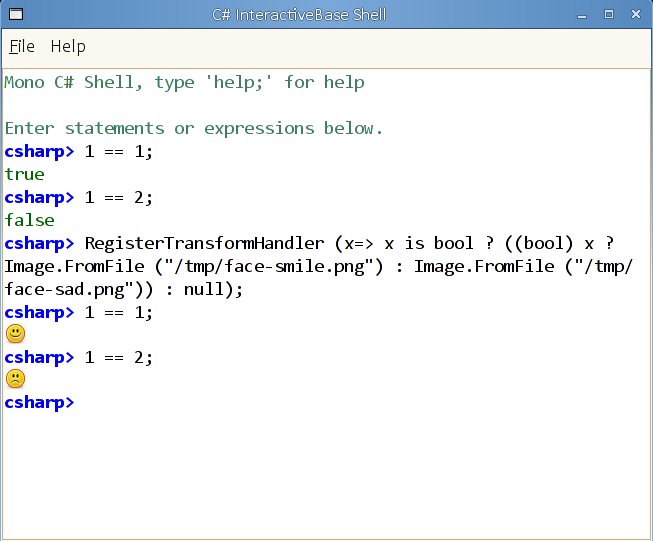
The Mono C# REPL has this fun feature where you can override how any type is displayed:
Enlightening article trying to verify leftpad (+2 other small functions) in a range of theorem provers:
https://www.hillelwayne.com/post/theorem-prover-showdown/Glitch, the remarkable online website that lets you create, fork and run JS websites, is now open source!
Arxiv is huge and I find it hard to find things relevant to my interests. Playing with
https://scirate.com/ seems like a good solution: you can follow sections that interest you, and 'scite' (basically 'like') papers.
Here's a wonderful example of live programming in an introspectable system like Emacs.
Emacs lets you customise ('advise') any function. Today I advised code evaluation! With a record of code snippets recently executed, I can make my code completion smarter.
Finding a security bug in CouchDB due to different JSON libraries interpreting repeated keys differently!
Programming in the debugger:
https://willcrichton.net/notes/programming-in-the-debugger/
Discusses how notebooks enable incremental program writing, and contrasts with REPLs.
Makes some interesting points regarding persistence, although resumable exceptions have similar upsides too.
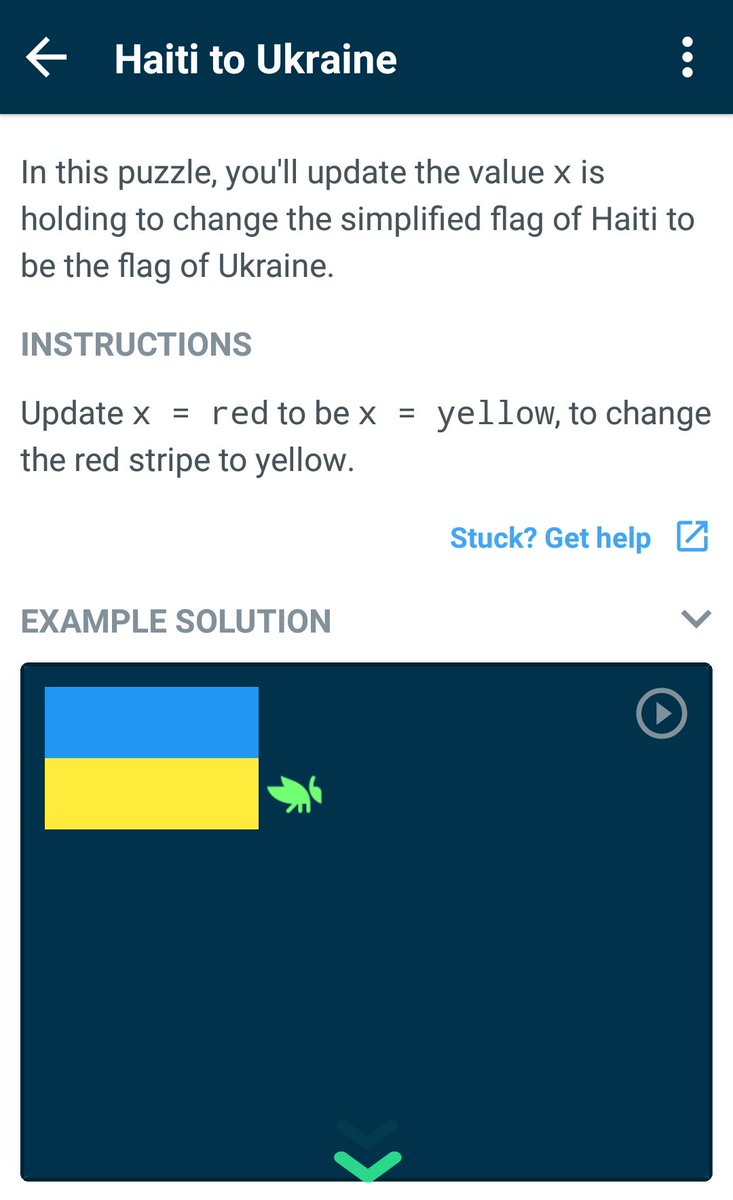
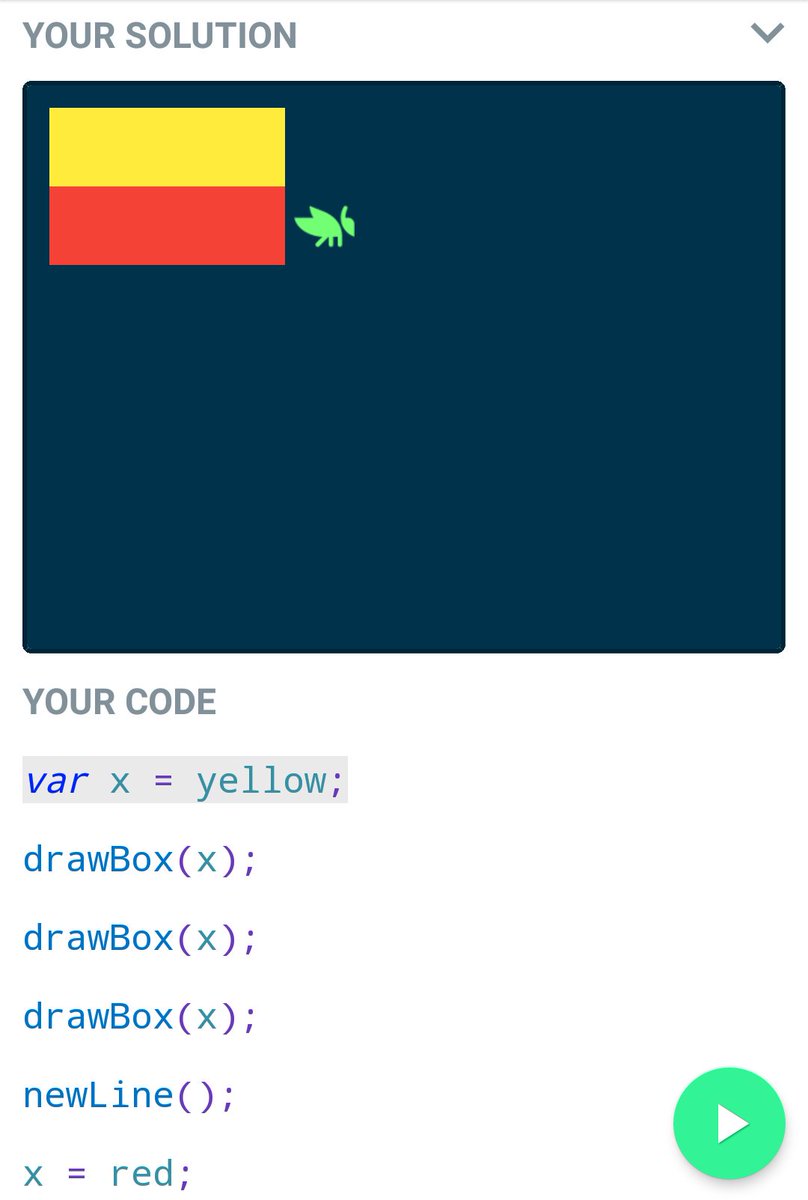
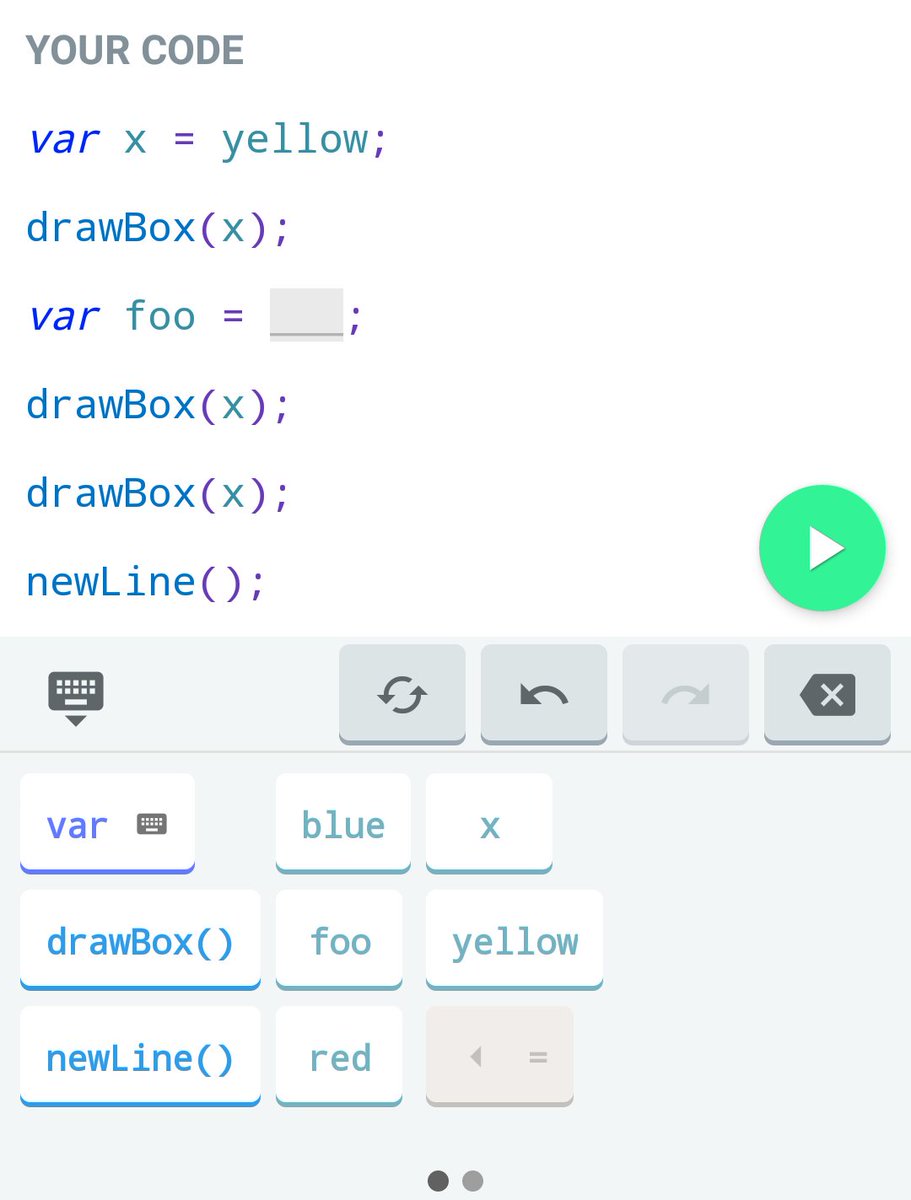
Grasshopper is a super cool app for teaching programming to novices.
It combines elements of Logo (visual feedback) with a great little editor that works well on touch screens.