git-worktree has been a big positive change to my git workflow. You only have one .git directory (so you only fetch once), but you have multiple branches checked out! https://github.com/Wilfred/dotfiles/blob/master/.gitconfig#L11-L14
This is really helpful for comparing code across branches.
miniblog.
I fear software tends towards the slowest tolerable speed. We only optimise when it's hurting us.
Perhaps we need less tolerant users? :)
Fascinating: BitTorrent is now dwarfed by Netflix usage, and younger internet users have grown up with good legal options for content!

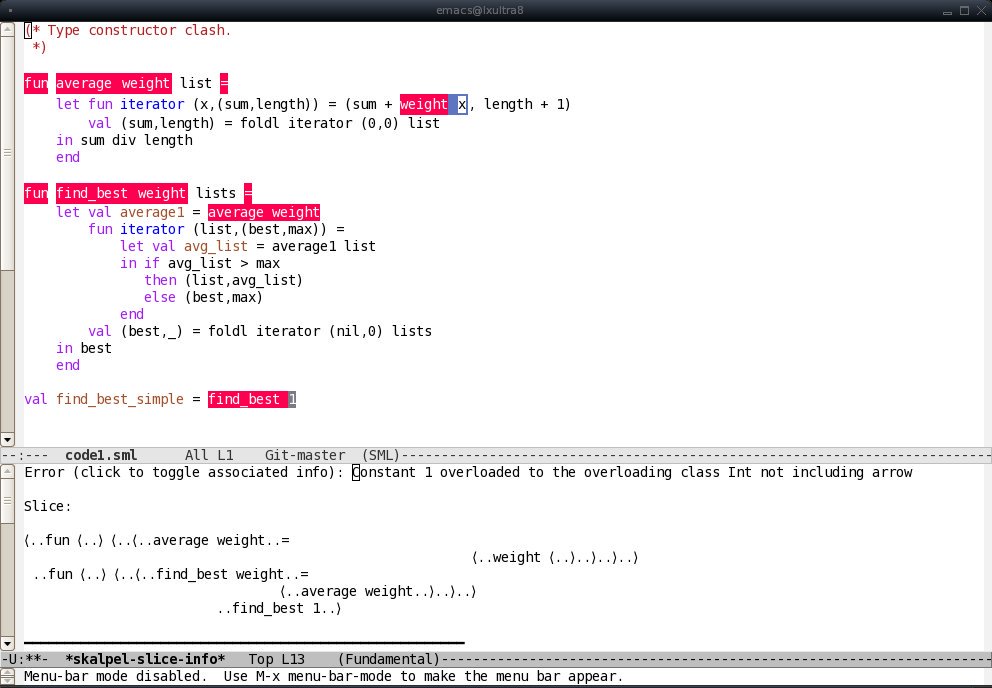
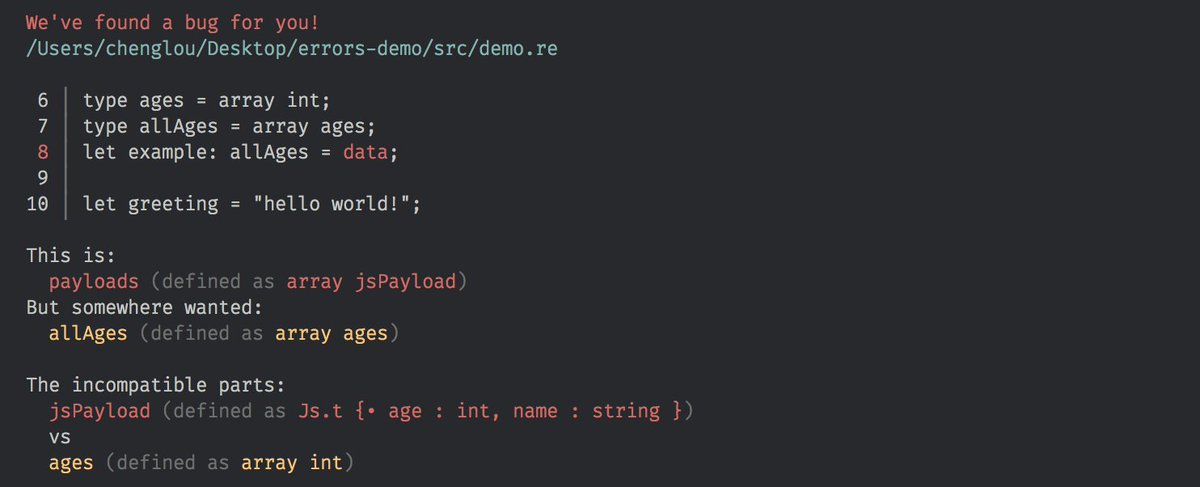
Skalpel is a neat project for visualising type errors. Rather than showing where the type checker first found an issue, it highlights all the possible places you could fix the code to make it correct!
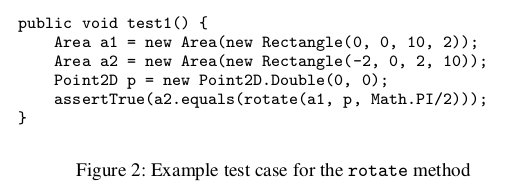
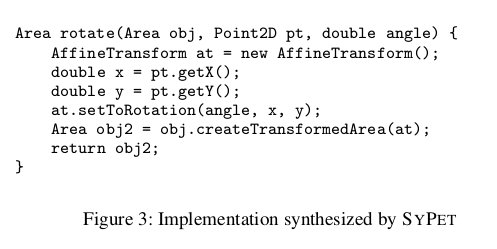
Component-Based Synthesis for Complex APIs: https://www.cs.utexas.edu/~isil/sypet-popl17.pdf
An incredible paper demonstrating synthesis of significantly sized pieces of Java code! You write a test case, and SyPet writes the code.
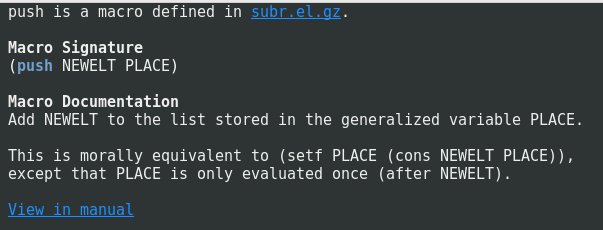
Emacs: where functions can be moral!
(This screenshot is shows helpful.el in action. See https://github.com/Wilfred/helpful ).
Lovely introdution to chaining computations in Haskell, and avoiding nesting: https://argumatronic.com/posts/2018-01-23-the-nesting-instinct.html (involves the M word, but in a very friendly way!)
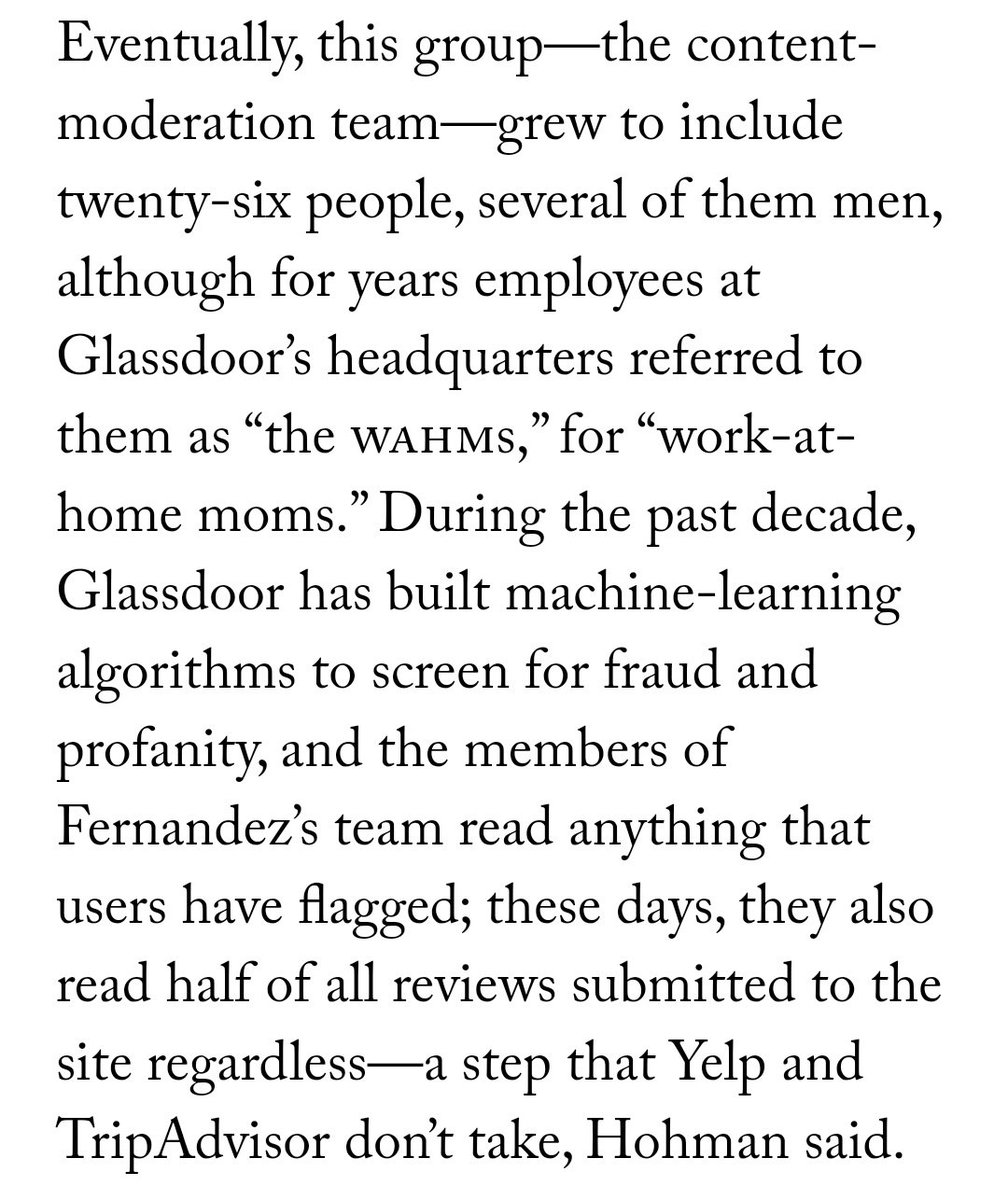
Interesting article of the business dynamics affected by Glassdoor: https://www.newyorker.com/magazine/2018/01/22/improving-workplace-culture-one-review-at-a-time
I was struck by how much human moderation is still used despite their size. It's tempting to largely use machines when you have many users.


Proceedings of the SIGBOVIK 2017 conference (run by 'The Association For Computational Heresy): https://sigbovik.org/2017/proceedings.pdf is fully of excellent nerdy jokes.
TIL there's a fizzbuzz equivalent for computer science: "the rainfall problem". It's a fairly simple programming exercise with pretty thorough research about how tricky students find it: https://blog.acthompson.net/2018/01/how-hard-is-that-programming-problem.html (quite hard!)
Implementing an RPN macro in Rust: https://blog.cloudflare.com/writing-complex-macros-in-rust-reverse-polish-notation/ (includes a really useful section on robust macros that produce good error messages)
Persistent data types and how Rust's ownership model subsumes a surprising number of their use cases:
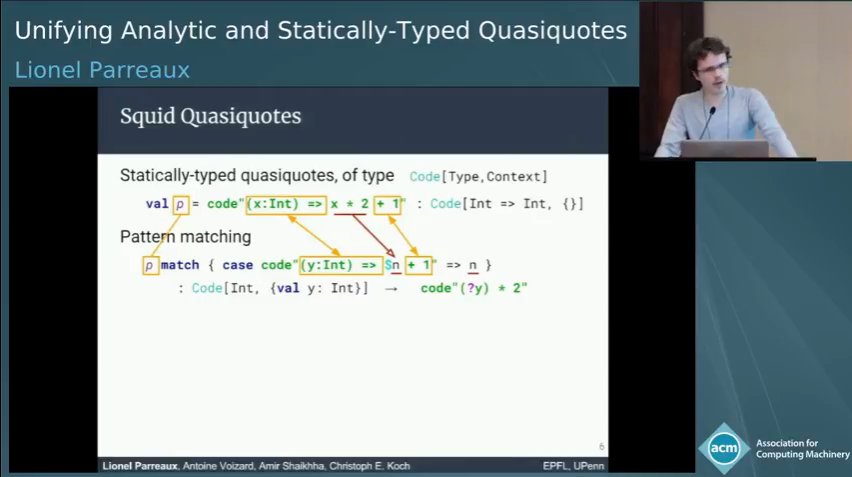
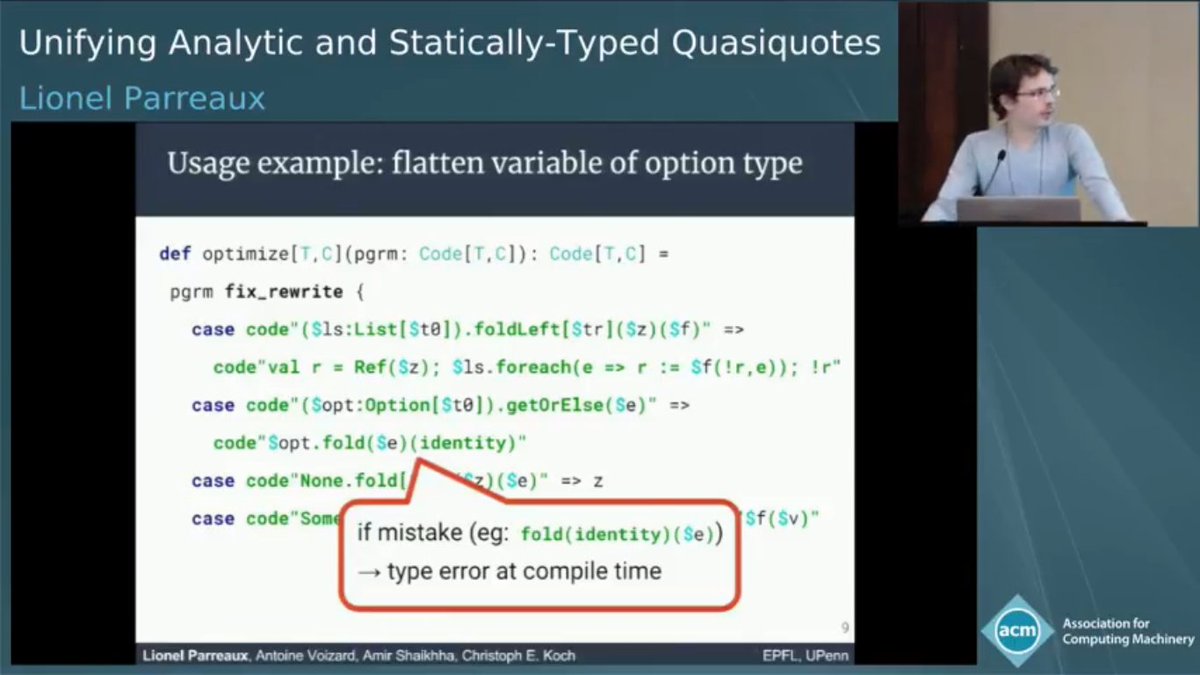
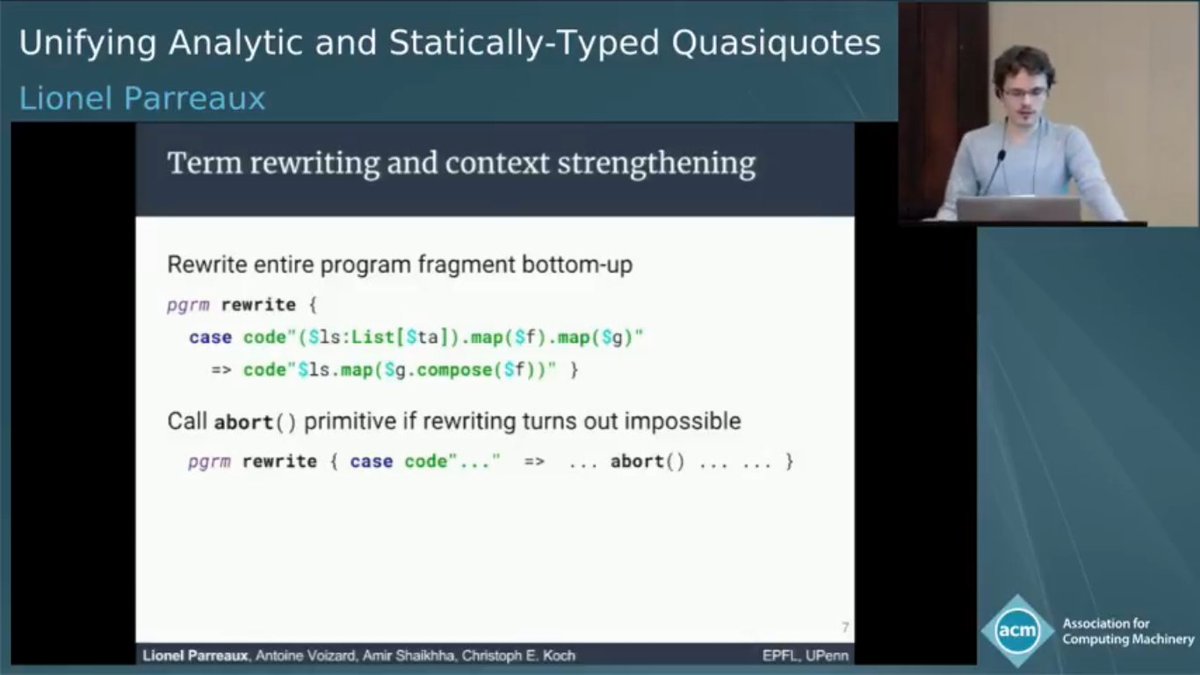
Squid is a remarkable quasiquotation library that ensures all of your code transformations are sound! It checks for types and free variables, and has a really neat way of pattern-matching on code with alpha conversion.
Dynamicland is exploring a "humane dynamic medium", an interesting model of computation using more tactile elements in a group context:
Showing 3,061-3,075 of 7,654 posts