One nice thing about JIRA is that it encourages separate namespaces for IDs. You can have FOO-123 and BAR-123. Too many tools want to own #123 and it becomes harder to know what others are talking about.
A thoughtful post arguing that the read function is more important than homoiconicity in lisps:
https://calculist.org/blog/2012/04/17/homoiconicity-isnt-the-point/Success! I've mirrored Versor (a fascinating Emacs project to give semantic meaning to cursor movement) from Sourceforge CVS to git:
Trying to import an interesting old CVS project into git. Even the import tools have bitrotted!
git-cvsimport relies on cvsps before 3.10, which came out in 2013.
Wacky, intriguing idea: automatically commit code on when a test run passes, and automatically revert when tests fail!
https://medium.com/@kentbeck_7670/test-commit-revert-870bbd756864@khady@framapiaf.org Yep, it was indeed! :)
I really like Clojure's let syntax. It works well when you only have a single variable. In other lisps, this feels a little verbose:
(let ((my-var (foo)))
(bar foo))
I've seen a let1 macro used in books, but not in the wild.
Browser tab sync between phones and laptops is pretty good these days, but I've not found a good equivalent for the clipboard.
Are workflows too different? It seems like it could be really handy.
It's fascinating that older lisps let you adjust the load factor in hash maps yet few newer languages expose this setting. For example, Rust doesn't have it yet:
I paid £8 for an ebook today that was 1.25 MiB. I think that's most I've ever paid for content per byte.
Bill Gates wrote about the importance of content online, the challenge that publishers (magazines, newspapers) will face, and the potential of making money with online adverts, all in a 1996 article!
Amazon is building a smart hone ecosystem that's easy to integrate and has a much simpler out-of-the-box experience:
https://staceyoniot.com/amazon-just-pulled-an-apple-on-the-smart-home/It's funny how competing tools get created around similar times. Both git and mercurial were created in 2005!
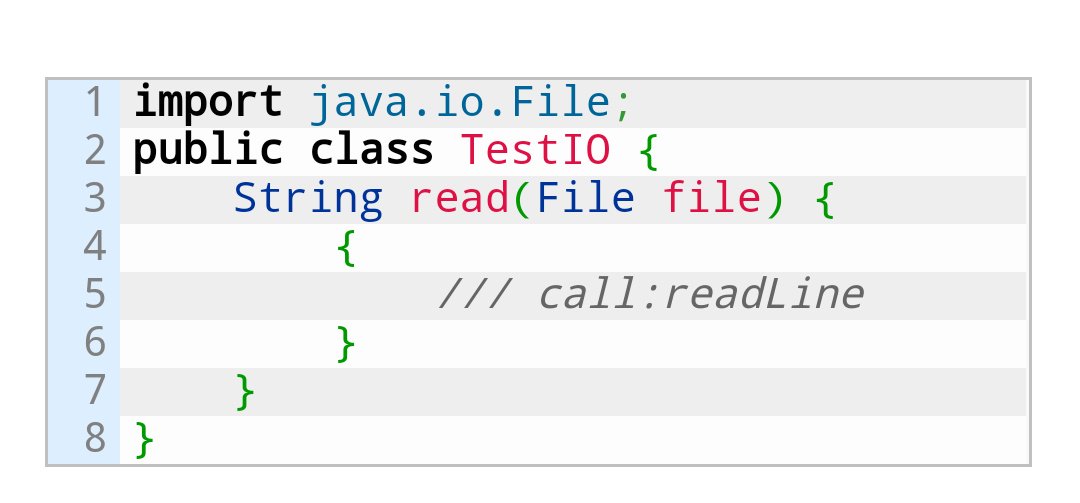
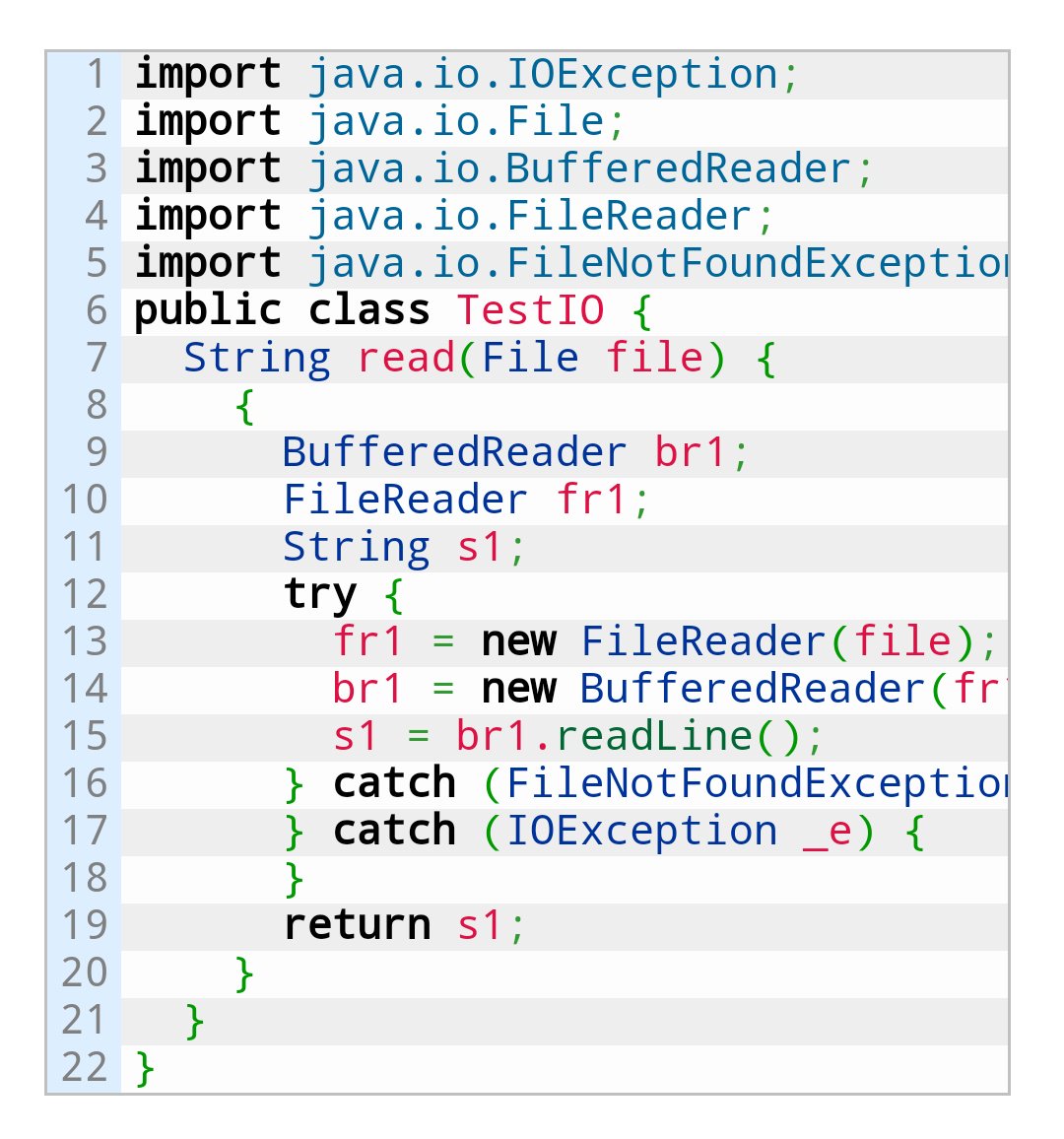
Bayou is a tool that can automatically generate Java code from a 'sketch' of the desired types and methods to use!
https://info.askbayou.com/how-to-use-bayou/
This uses a neural net trained on a corpus of existing Java code.