Good read on the early history of JSON, and how it became the ubiquitous format it is today:
miniblog.
Today I learnt that Emacs has a notion of 'permanent' variables! https://www.gnu.org/software/emacs/manual/html_node/elisp/Creating-Buffer_002dLocal.html
These are variables that persist even when you change major mode (which generally resets buffer-local variables).
If you download an Emacs source tarball, it comes with .elc files so you don't need to byte compile anything.
This enables you to compile the remaining (much smaller) C parts quickly: I've seen installs take under a minute!
Emacs as a platform: https://two-wrongs.com/why-you-should-buy-into-the-emacs-platform
Great overview of some of the Emacs killer apps!
Google is setting up an independent committee for the AMP standard: https://www.theverge.com/2018/9/18/17871666/google-amp-open-source-committee-governance-instant-article
Fascinating discussion of whether it's safe to read past the end of a buffer if you stay on the same page: https://stackoverflow.com/q/37800739
(A technique used in some high performance assembly code!)

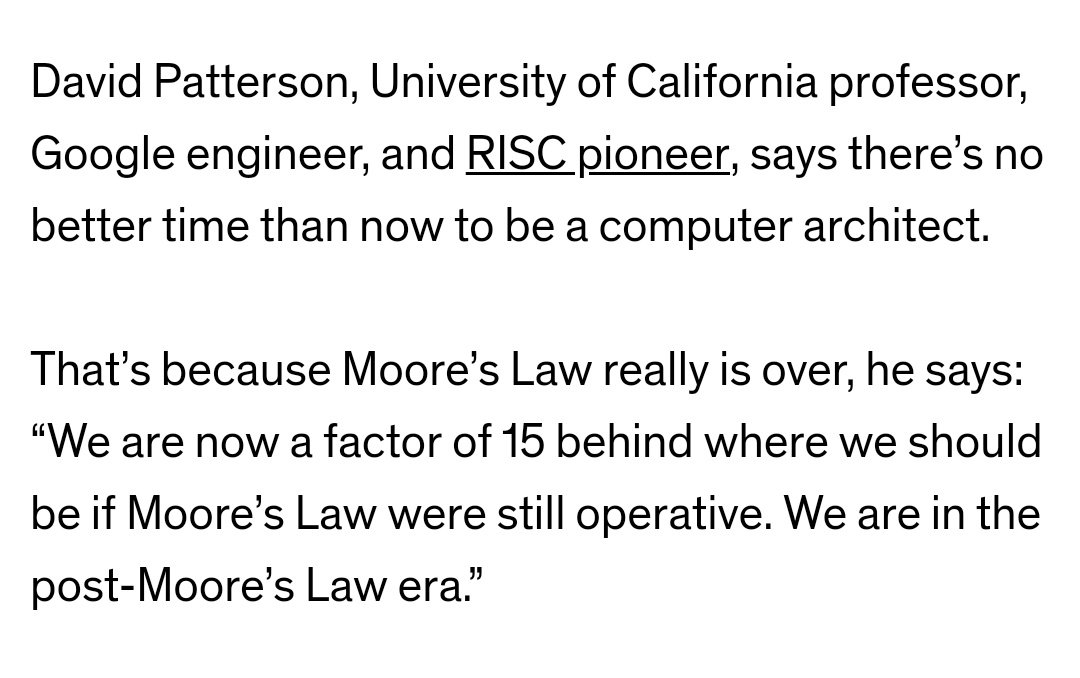
Fun short article on the need for new and innovative computer architectures now Moore's Law has ended:
It still feels rather weird when my Twitter feed shows me things that others have liked. We've come a long way from chronological: likes and retweets are probably just inputs into some machine learning algorithm.
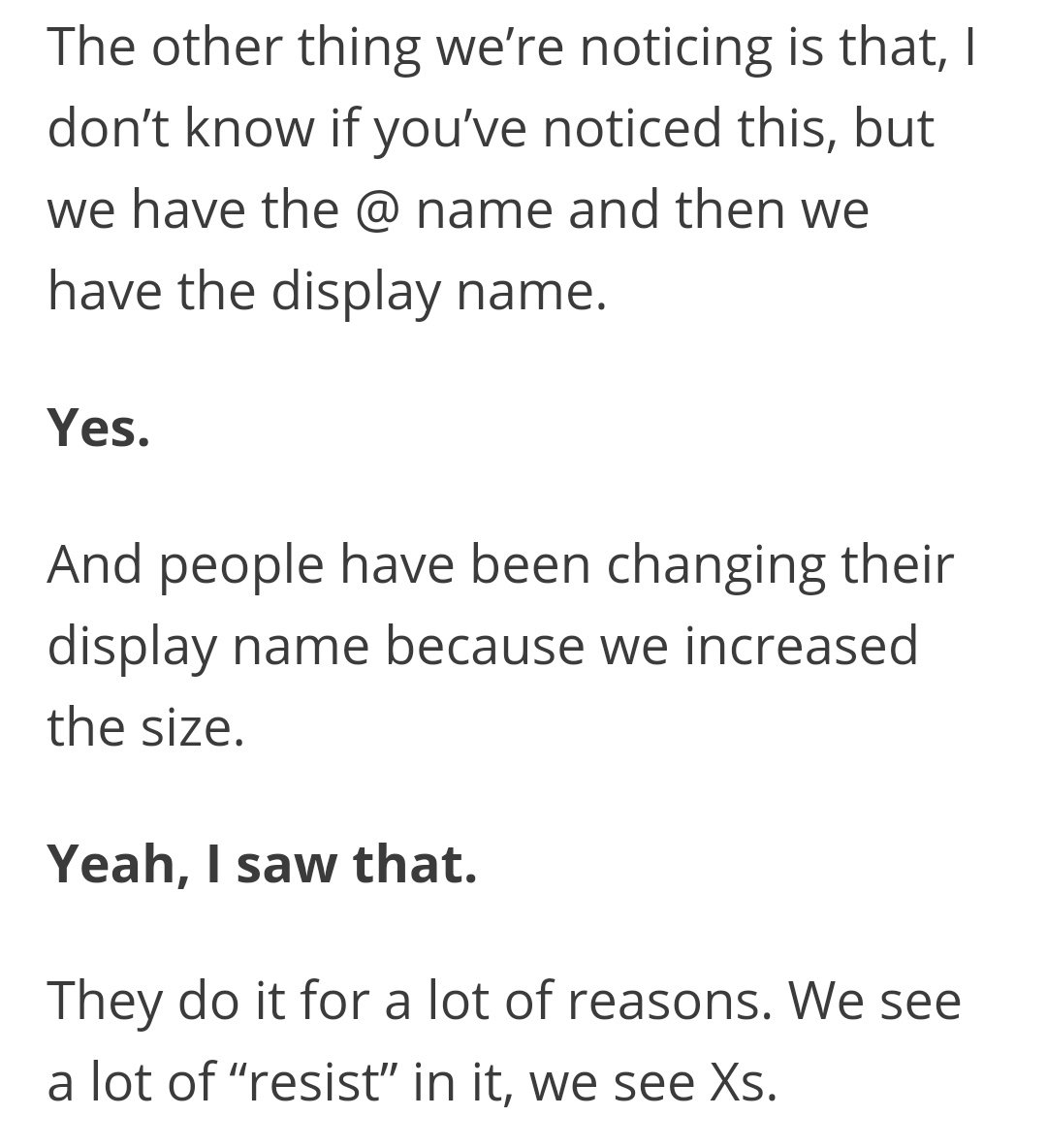
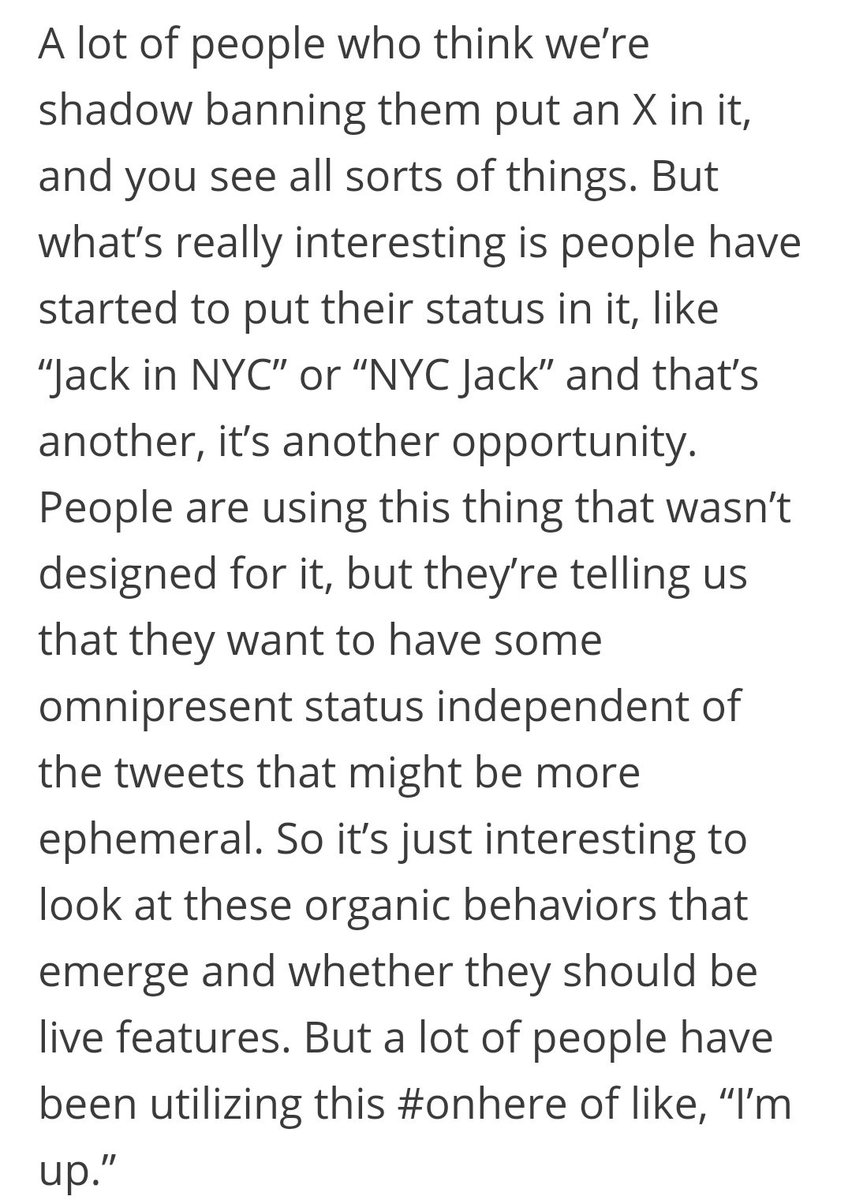
Great interview with the Twitter CEO on goals, tradeoffs, and some interesting discussion of emergent behaviour after allowing users to make long display names.
Pipes were simple enough that they won: https://apenwarr.ca/log/?m=200801#31
It's a pretty limited API though, and I wonder what an incremental improvement in power would look like.
The latest version of Rust can automatically fix lockfiles that have merge conflicts in them: https://github.com/rust-lang/cargo/pull/5831/
This is often possible with machine generated files, but it's rare to see in practice. Super convenient though.
Interesting article on attracting millennials to working with mainframes: https://info.model9.io/lack-of-mid-level-mfers
(Has some links to OSS mainframe projects that I had no ideas existed!)
Much has been said about JS fatigue, but the upside is that there's tons of creative experimentation.
For example, eslint has a whole range of different 3rd-party output formatters. You can try them all out, and you tend to converge on a good solution.
The complexity of USB C, with a diverse range of features supported (or not) by different cables that can't be visually distinguished: https://www.extremetech.com/computing/257684-usb-c-chasing-unachievable-goal
One comment I saw @jack make recently was that they didn't expect displaying follower counts to motivate users to increase the number.
Do we need to show this number on Twitter at all?
Showing 166-180 of 657 posts