Gnome has moved to Gitlab! https://about.gitlab.com/2018/05/31/welcome-gnome-to-gitlab/
It's interesting to see how many major FOSS projects are moving to hosted VCS services. Overall it's probably a natural consequence of specialisation, and Gitlab is largely open source (avoiding lock-in).
miniblog.
Emacs 26.1 is out! There's a slew of new features, most exciting (to me) is the new elisp thread support! https://lists.gnu.org/archive/html/emacs-devel/2018-05/msg00765.html
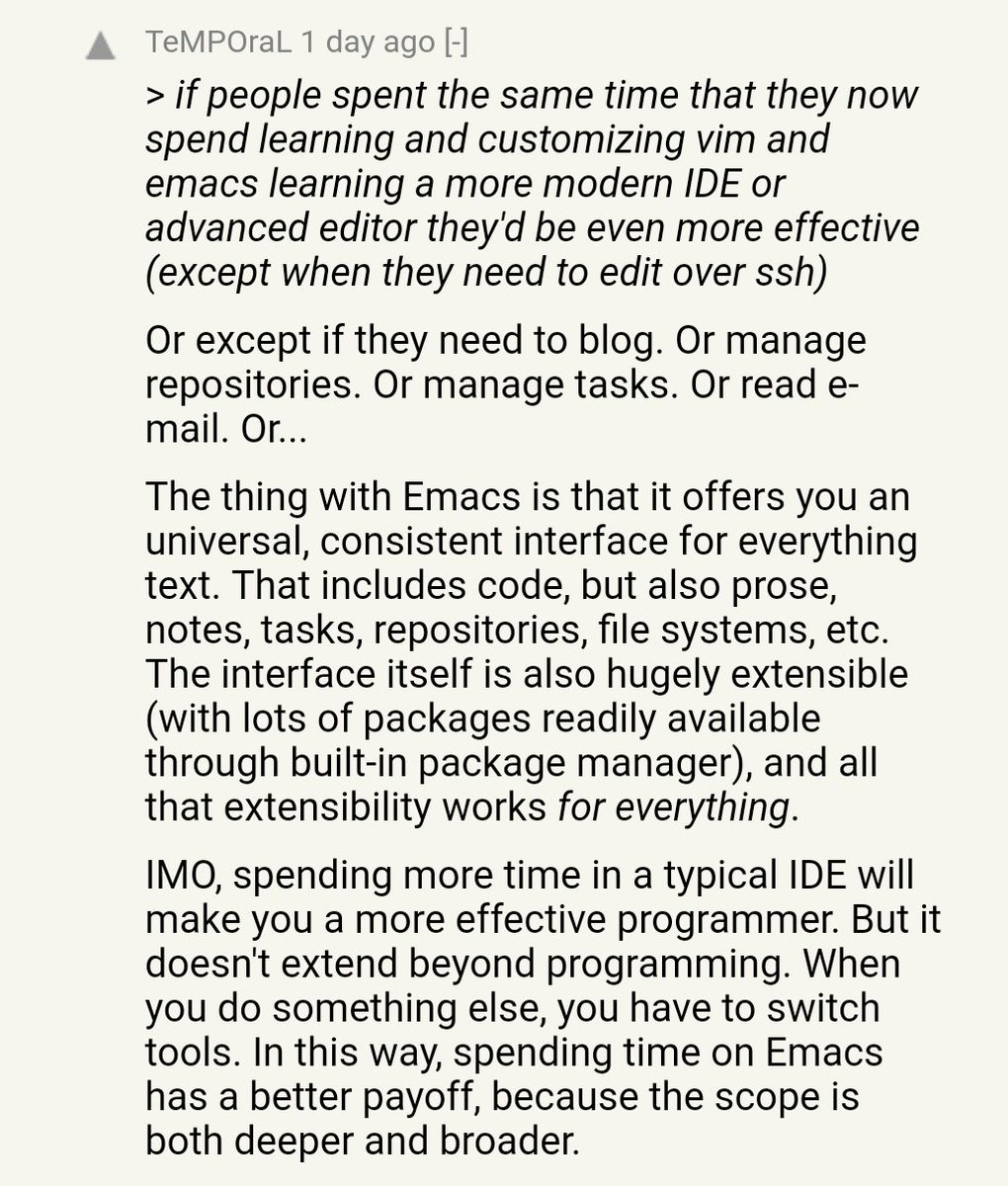
There's a good comment from HN on the zen of Emacs too.
Emacs 26.1 is out! There's a slew of new features, most exciting (to me) is the new elisp thread support! https://lists.gnu.org/archive/html/emacs-devel/2018-05/msg00765.html
There's a good comment from HN on the zen of Emacs too.
Perhaps it would be useful for Mastodon instances to provide their own preconfigured clients.
Federated tooting has several similarities to email, but when I send email on my phone, I use the GMail or Yahoo apps. They're tailored and require less setting up.
I've just discovered Moa today, which lets you syndicate tweets to Mastodon (or vice versa): https://moa.party/
I've hooked it up, let's see how it goes!
This seven-minute demo of creating a game with PICO-8 is the best dev tool demo I've seen in long time: https://www.youtube.com/watch?v=K5RXMuH54iw
In this short period, he shows writing code, sprites, maps, music, exporting and sharing projects! This is an amazing achievement.
uLisp, a great little lisp for embedded devices, has a helpful page for debugging. It's great to see function tracing and debugging with continuations described *before* print debugging! https://www.ulisp.com/show?19X5
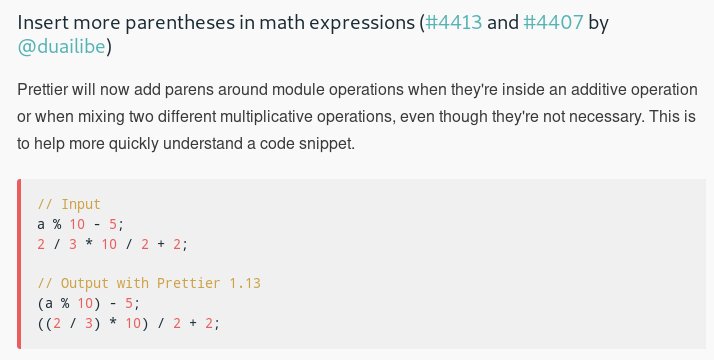
Prettier 1.13 has had a ton of polish, but this feature really caught my eye: it explicitly adds parentheses to arithmetic operations, to avoid confusion regarding precedence!
There's a curious ephemerality to MOOs. You can create rooms and objects in the shared programmable universe, but if you don't log on for a while, it's all deleted.
ArchUnit is really neat way of testing Java, using reflection to enforce code style ('architecture') properties. For example, enforcing that all subclasses of Connection have a name ending with 'Connection':
Riveting video explaining what LambdaMOO is, and why immersive, programmable, text-based multiplayer games are still interesting today: https://youtu.be/SxGbHYGTGWw
Emacs for Vim users: https://www.youtube.com/watch?v=_y4OuHfxgmI
Great introductory video to Emacs principles, especially for those with a vim-ish background.
The surprisingly high likelihood of a kernel bug being due to cosmic rays! https://lwn.net/Articles/219983/
I don't understand the preference in ML family to use currying so enthusiastically.
Eg in the signature of a sort function, I prefer (a,a)->Ord as the comparator function signature, vs a->a->Ord. It's easier to distinguish inputs and outputs.
Are there upsides I'm missing?
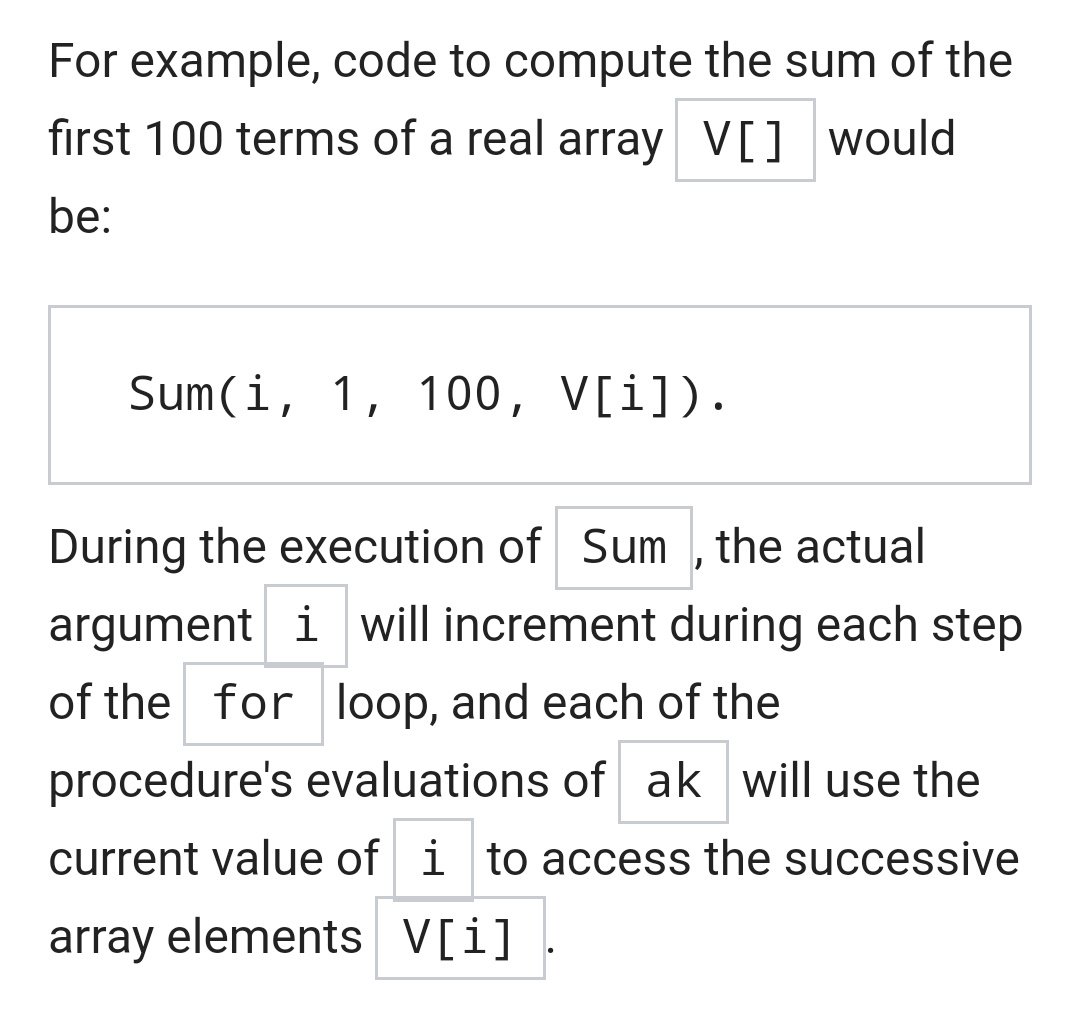
Jensen's Device is this fun (though slightly bananas) programming technique for call-by-name programming languages. Note how we're iterating over V[i] in this example!
Showing 421-435 of 657 posts