I admire that Chromebooks have an explicit date when they stop receiving security updates. Many devices aren't so clear, so we can't have useful discussions like this:
miniblog.

The Stack Overflow moderator strike has come to some agreements! https://meta.stackexchange.com/questions/391847/moderation-strike-results-of-negotiations
This seems like a good outcome, and it should help communication going forward.
I can't think of any other cases where volunteers have successfully run strikes in tech before.

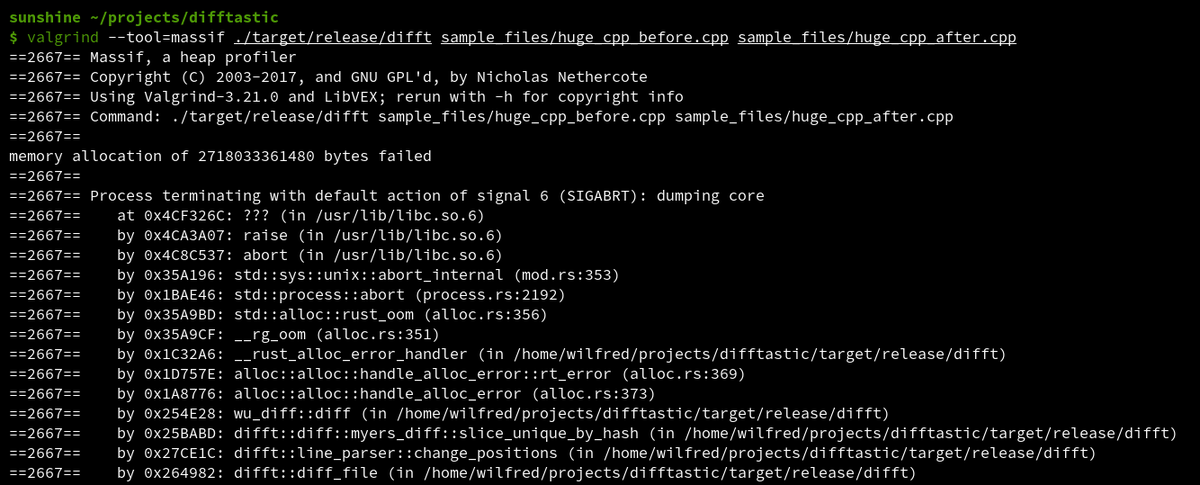
I've been learning how to use Massif, a tool in valgrind for memory profiling. It quickly paid off!
I discovered that difftastic sometimes attempts to preallocate absurd amounts of memory.
Go has a wonderful, accessible discussion of how it does inlining today, the downsides, and the plans for 1.22:

The book 'The Art of the Metaobject Protocol' has two chapters in the public domain and available online!
Chapter 5: Concepts
Chapter 6: Generic Functions and Methods
I've released difftastic 0.49! In this release:
* LaTeX support
* Smarter diffing in languages that prefer the outer delimiter (JSON, Lisps)
* Improved parsing for C, C++, Java and Haskell
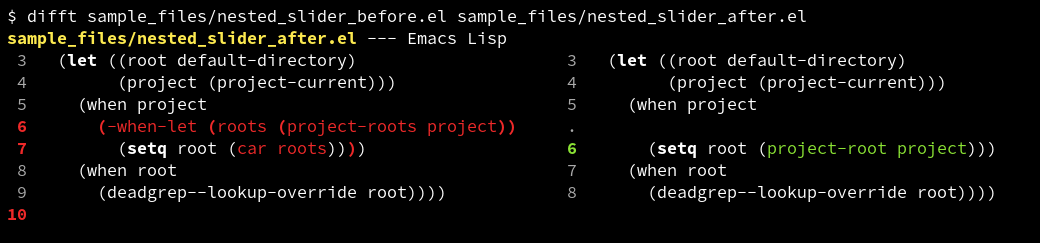
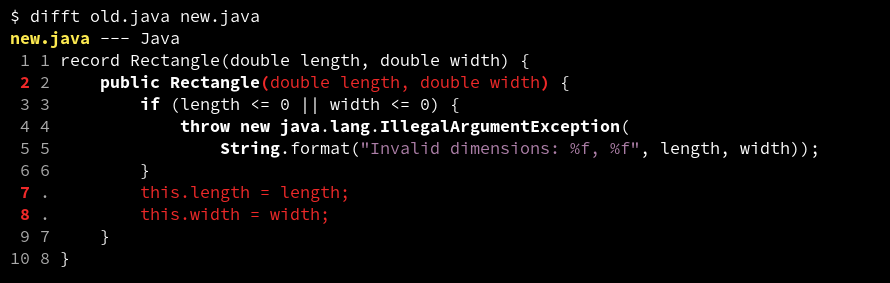
I've learnt a surprising amount by looking at how other people are packaging my difftastic project!
(1) A local copy of the manual doesn't have the version (OpenBSD packaging fixes this).
(2) One of my dependencies has been yanked (Void Linux packaging fixes this).
Tried `just` (the task runner) today, and I really like it. npm has scripts, but `just` works anywhere.
Editor integration is also excellent: you can get by with Makefile highlighting, but in Emacs you can even run everything interactively!
https://github.com/casey/just
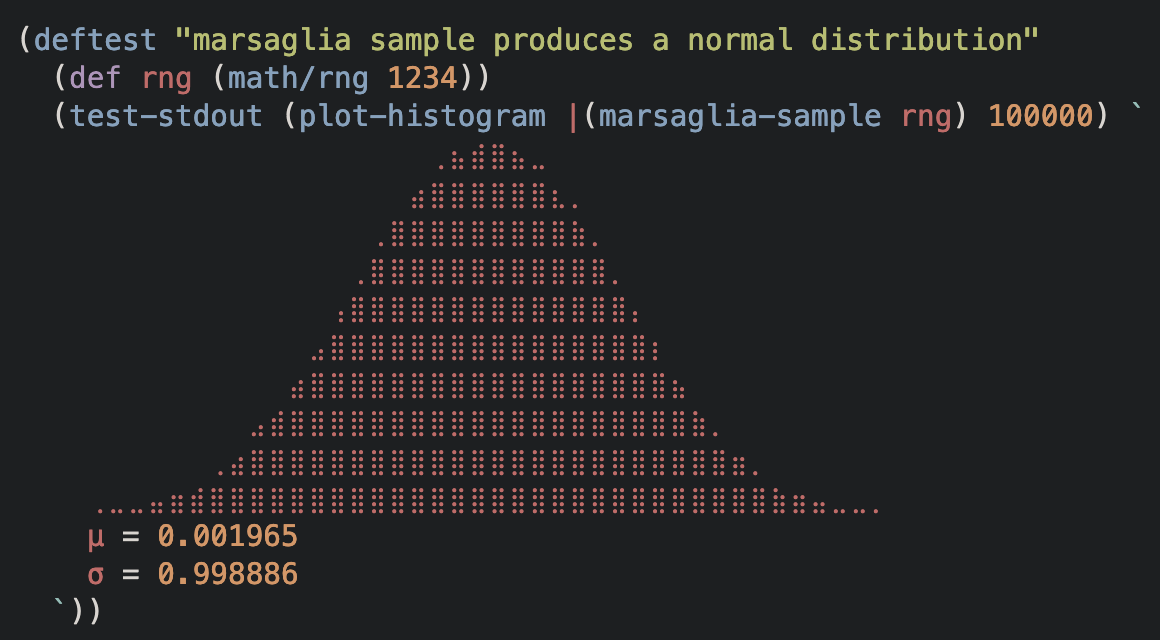
Read-Eval-Patch loops and iterating on tests in a faster and more interactive manner:
I'm surprised that there are no ML tools for automatic log highlighting. Logs often have repetitive patterns that lend themselves to distinct colours.
Do any such tools exist?
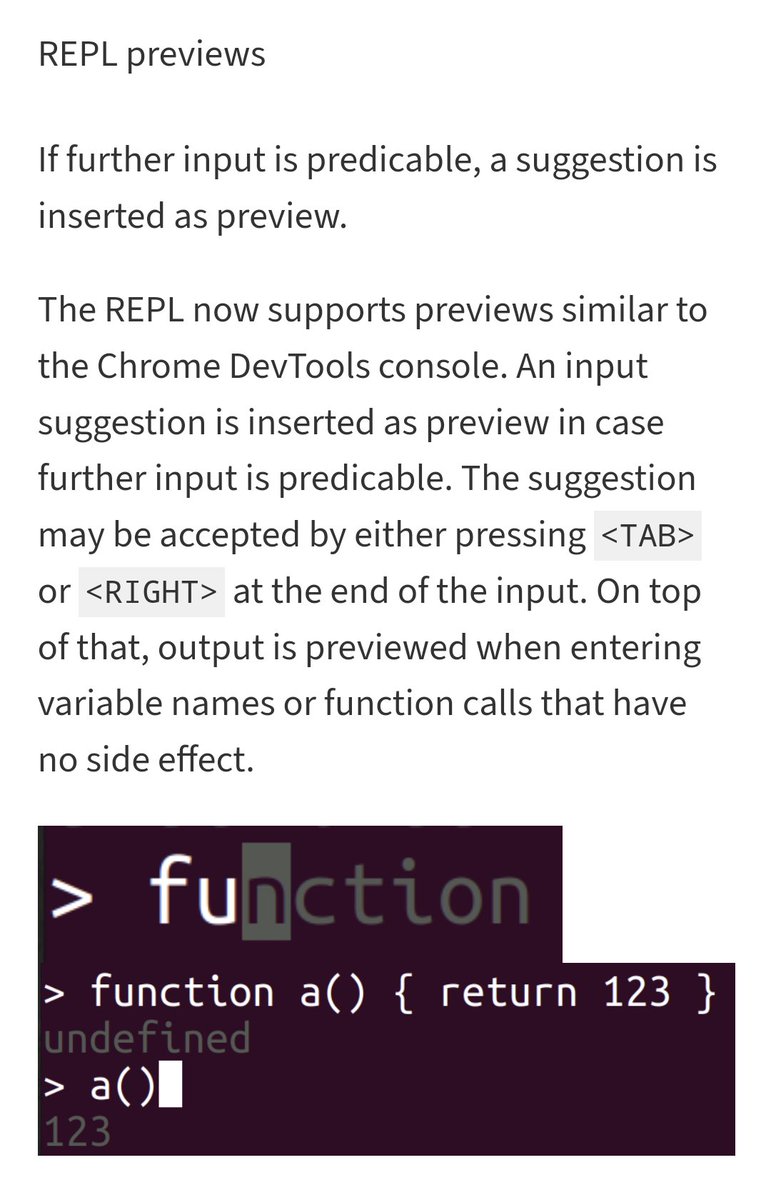
Old news, but I really like how node v12.17 will speculatively execute pure functions in the REPL.
TIL most userspace code in ChromiumOS is now written in Rust!
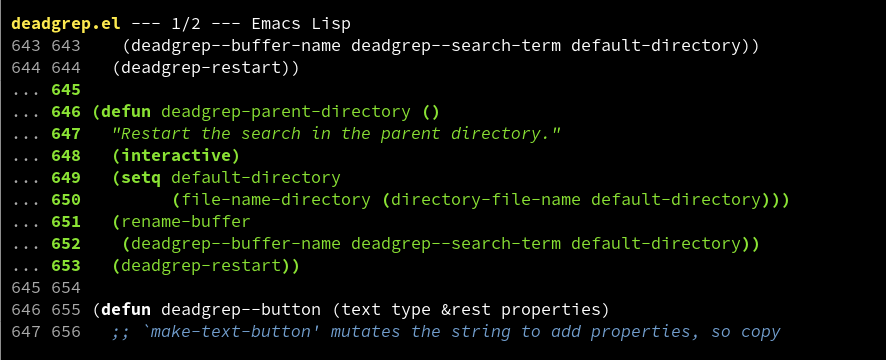
I've been thinking about making difftastic smarter about context. In principle it understands structure, so I could limit context to the enclosing definition.
However, sometimes it's nice to see surrounding code. Line 644 isn't useful, but maybe 655 is. Opinions?
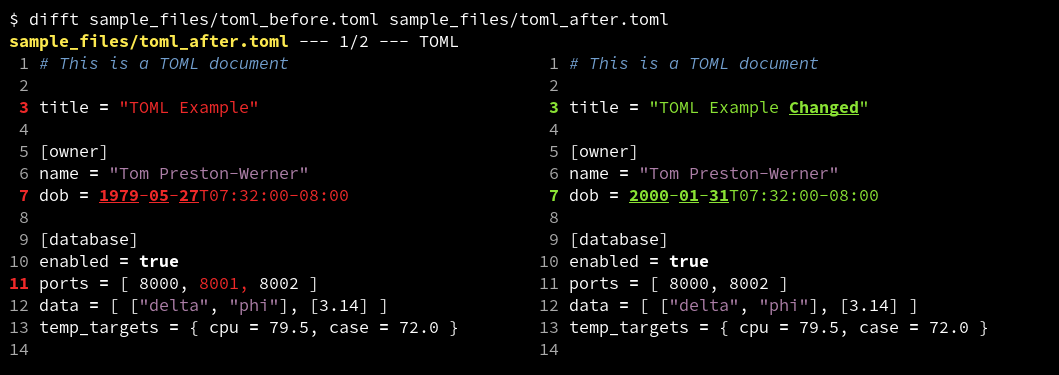
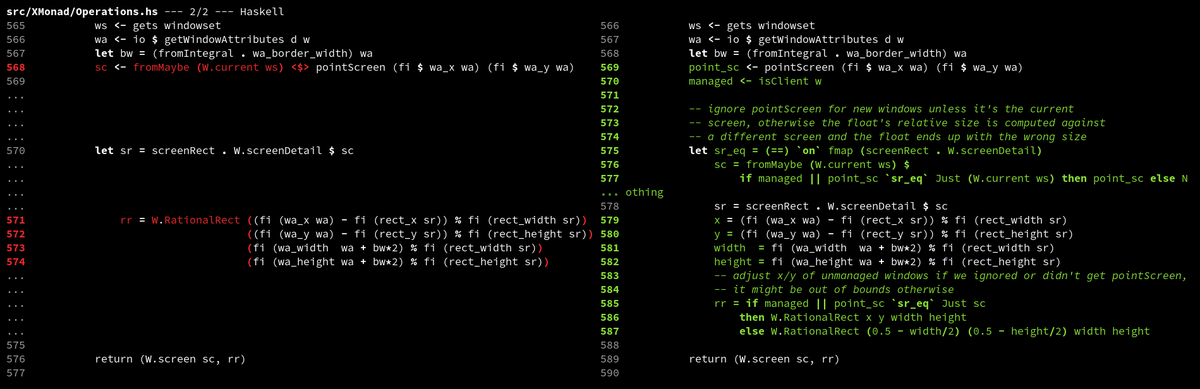
I've released difftastic 0.48! Highlights in this release:
* Subword highlighting in replaced strings! This is a big improvement in many situations.
* Better Scala parsing
* Better Haskell handling
A neat IDE feature from Typescript 5.2: it completes object field names even if the previous field doesn't end with a comma!
Syntax recovery is super helpful sometimes.

Showing 61-75 of 245 posts