tap> is an elegant Clojure debugging feature: it passes the argument to any functions registered with add-tap.
You might set up a custom printer for your data type, or save values for later examination, and you can easily disable the tap too.
miniblog.

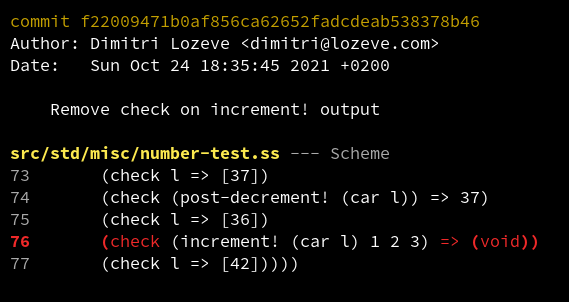
I've released difftastic 0.57! In this release:
* A bunch of improvements around detection and display of binary files.
* Fixed some diffing issues with (ironically) text files.
* Better diff results for Scheme.
I'm delighted that so many people are getting value in difftastic, but there has been a significant increase in new issues recently! Hopefully this is a temporary bump from HN.
It's a genuine risk from creating a generic tool: if 1% of devs use it, that's a huge userbase.
The Bitter Lesson: how implementing generic search and scaling compute outperforms custom logic in many situations:
Thinking more about the "auto eval definitions" approach, I think it breaks down when debugging. If I want to step through the existing definition, it'd be really awkward to re-evaluate the definition at my cursor.
The lisp model of programming is generally: write a function, evaluate it, interactively call it with some arguments, iterate. Jupyter notebooks are similar.
Why not automatically evaluate definitions (not expressions) whilst working? It seems like it could be a satisfying way to work with code.
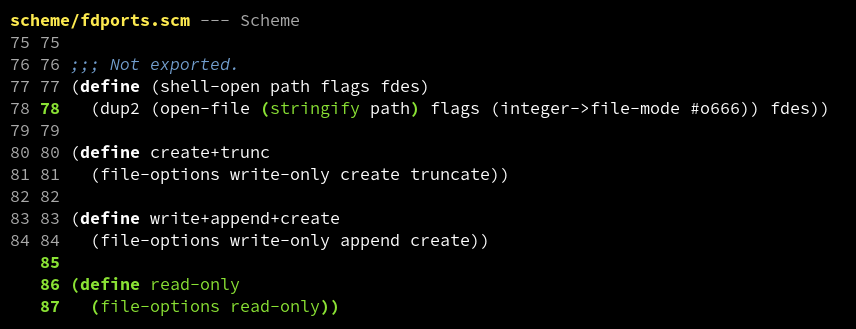
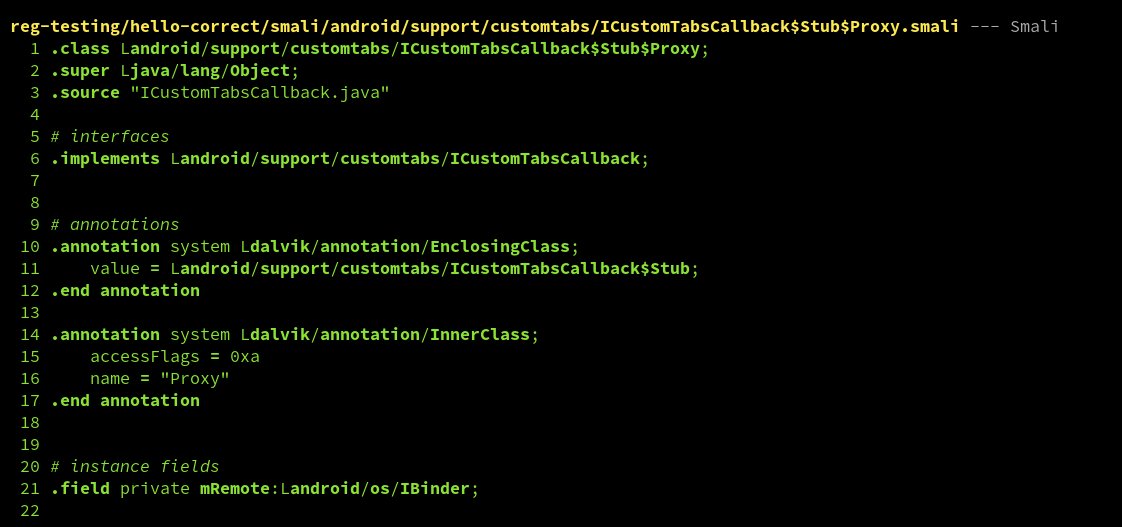
I've release difftastic 0.56! In this release:
* Added support for Scheme and Smali
* Improved JS, TypeScript, QML and Perl parsers
* File permission changes are now reported
I've been reading about the object-capability model as seen in the E programming language.
It reminds me of dependency injection, but used pervasively. Rather than calling static methods, you pass in object arguments and call methods in them.
I'm flattered that SemanticDiff has a blog post comparing it with difftastic! https://semanticdiff.com/blog/semanticdiff-vs-difftastic/
It's a pretty even-handed post, and it touches on some of the different design decisions. For example, SemanticDiff considers 0xA and 10 to be the same when diffing.

Are there any open source serverless platforms? It feels like something I ought to be able to run in Docker on my personal VMs, but I've not heard of anything.
(I appreciate the irony of serverless on your own server, but the programming model seems generally applicable.)
A bunch of useful Emacs tips for handling the region, but I definitely did not know that Emacs can calculate lunar phases!
Fun example of a bunch of YAML gotchas all in a single file:
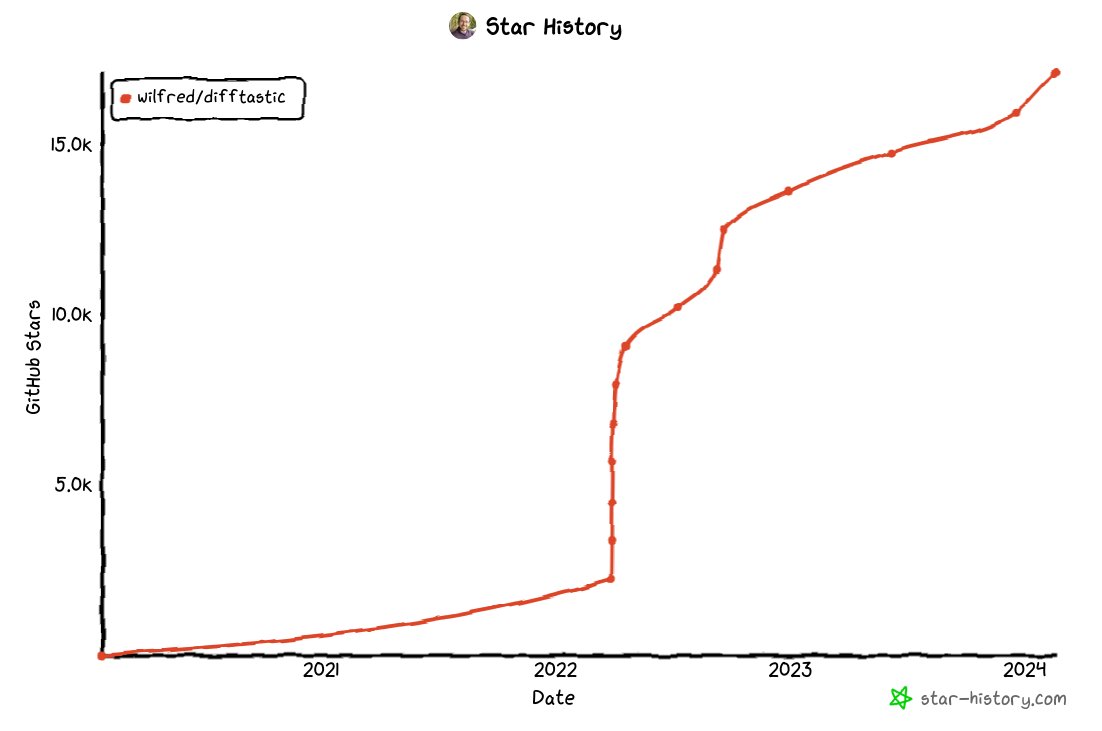
I don't have much data on difftastic usage, and I suspect most users get it from the packages provided by their distro.
There's been a clear uptick in stars since I built a homepage in the last month or two though!
(The first big bump is when it hit Hacker News.)
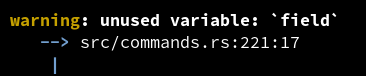
Why do so few CLI tools use colour inside their error messages? For example, rustc uses colour well in the error display, but there's no special styling of the content in backticks.
By contrast, markdown website almost always style backtick text differently from prose.
E.g. `field` is not specially styled here.
Apparently over half of the income for the Python Software Foundation comes from PyCon US!
https://www.python.org/psf/sponsorship/
Showing 106-120 of 144 posts