Some of my OSS projects are largely feature complete. For them, virtually every commit is just fixing bugs reported.
It's a strange routine, because it means the time I spend maintaining is dependent on the bug report rate, which largely depends on the size of the user base.
miniblog.
There will be an EmacsConf this year, on the 2nd of November! https://emacsconf.org/2019/
There's an open call for propsals: https://emacsconf.org/2019/cfp (deadline 31st of August)
I still can't decide whether M-x ielm fits into an optimal elisp workflow.
The 'strict Emacs' view is that it's better to use buffers for everything, so you can edit and build up expressions there.
The 'tailored UI' view is that ielm is better, because it's a dedicated REPL.
@azure@pleroma.site Agreed, just-so stories often sound plausible and then some releases a great Free software implementation of $THING.
I do suspect there are some domains where the incentives don't work for FOSS though. Projects needs to be fun to work on (for small hobbyist/side projects) or valuable for corporations to publish (so they hire someone to work on it).
AAA games or tax software probably won't become FOSS. Am I too pessimistic?
It's weird how smartphone game design has converged on certain features. I downloaded Tetris (Blitz) and I could spend money on in-game currency, it had daily challenges, and even XP!
I'm not sure how much this relates to revenue vs users just preferring this design.
ADSL works on two metres of wet string (if the water is salty), giving 3.5Mb/s downlink! https://www.revk.uk/2017/12/its-official-adsl-works-over-wet-string.html?m=1
It's oddly frustrating writing tests for a test library. You want better testing features (hence writing the library), but you have to write tests without them (due to bootstrapping.
I used to hear debates over whether proprietary software or open source was higher quality, but I haven't in some time now.
Perhaps it's because virtually all software stacks are partly open source now?
How does Rust allow different language versions ("epochs") to interoperate? https://stackoverflow.com/q/57332016/509706
The SO answer even includes the relevant source code from the compiler!

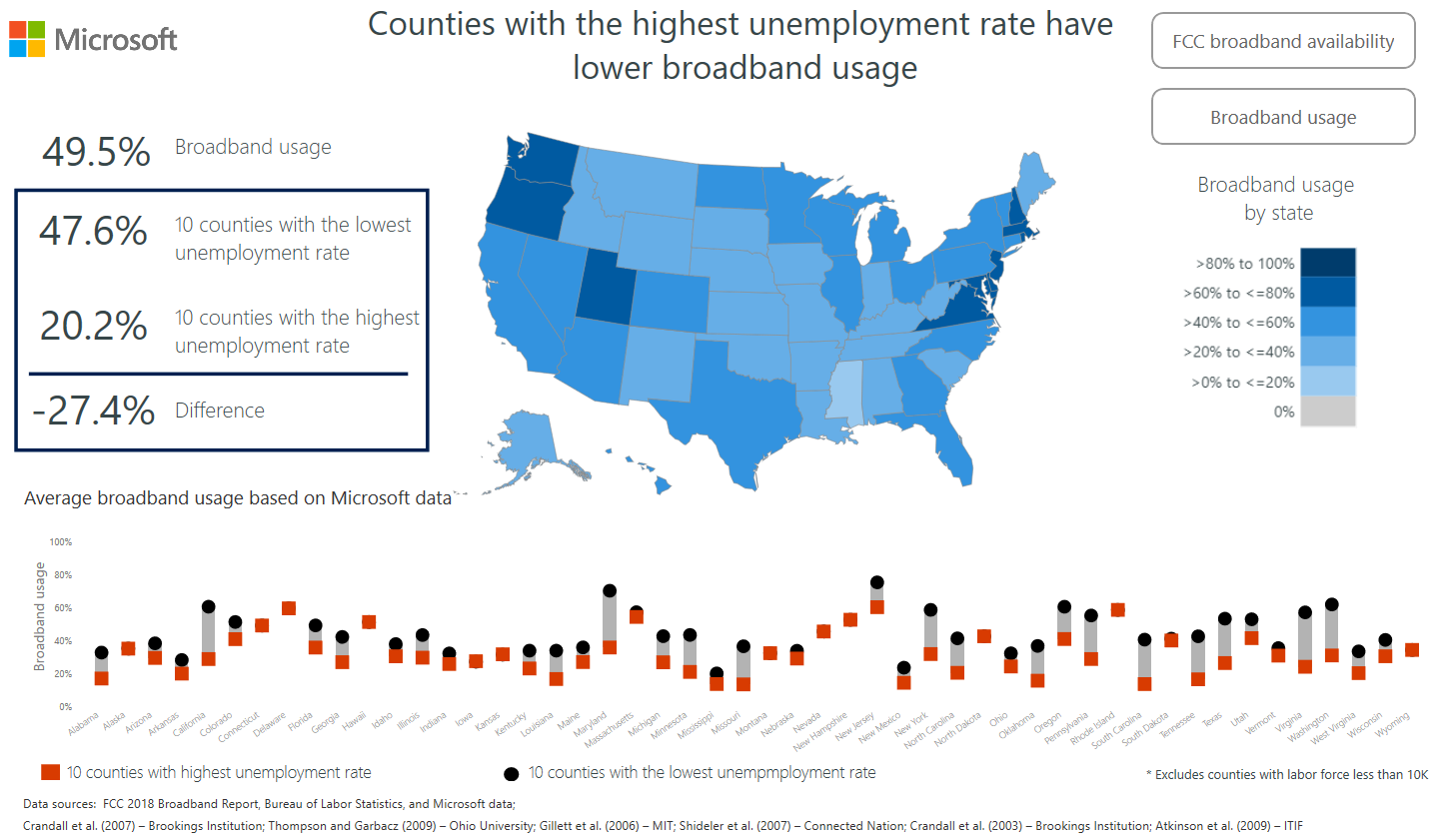
163 million Americans don't use the broadband speed internet according to Microsoft survey data:
Thoughtful post on the merits of Emacs as a creation oriented computing platform, rather than consumption: https://www.fugue.co/blog/2018-08-09-two-years-with-emacs-as-a-cto.html
It always makes me smile that lispers use the term "earmuffs" to refer to variables named *foo*.
https://lisp-lang.org/style-guide/#variables
As far as I'm aware this particular name isn't used in other communities. Paired * is rare elsewhere, but lisp programmers are no stranger to paired syntax!
Google will prevent news websites treating incognito mode browsers differently, which may make paywalls harder: https://whatsnewinpublishing.com/google-unlocks-33-of-publisher-paywalls-on-july-30-this-is-what-happens-next/
Perhaps the best approach is to provide some free/indexable content to build your brand, but charge for the rest (like Stratechery or LWN)?
Extremely cute project building a miniature train display (with real, useful train times) using a raspberry pi! https://www.balena.io/blog/build-a-raspberry-pi-powered-train-station-oled-sign-for-your-desk/
Showing 1,981-1,995 of 7,653 posts